
Taiwan, Trump, Xi and Europe’s Strategic Interests
20 May 2026



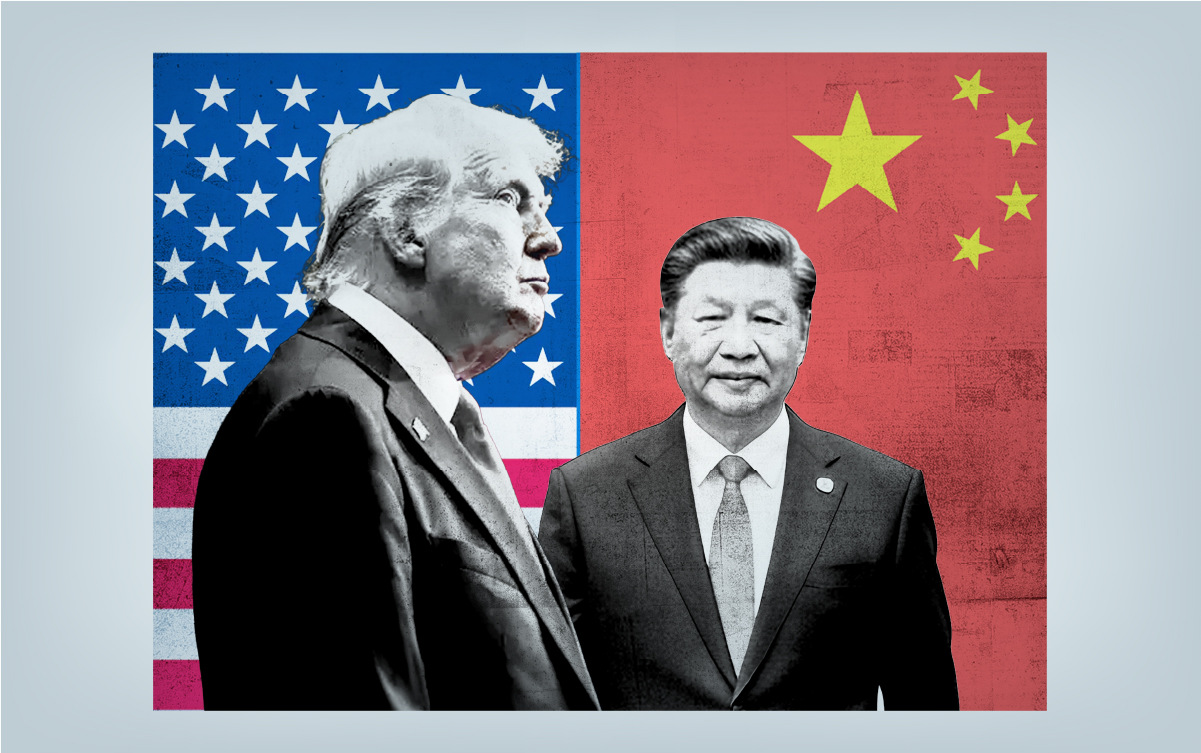
Last week, US President Donald Trump visited China for the first time in nearly a decade. Stabilising the relationship, likely the clearest immediate outcome of the summit, is good for the world. Whether bilateral ties will become more “constructive, strategic and stable” will likely become clear only in the months ahead. Fundamental differences define bilateral relations across trade, technology – and Taiwan. Yet neither side used the summit to tackle structural differences. Instead, both focused on ways to manage, rather than resolve differences. Sustaining stability will remain difficult, particularly concerning Taiwan. Therefore, Taiwan’s further internationalisation, or deeper integration in global value chains as a member of the WTO, must continue. Europe must remain a stable partner and strengthen its contribution to preserving peace and stability in the Indo-Pacific by deepening its regional engagement and integrating Taiwan into its defence industrial ecosystem.
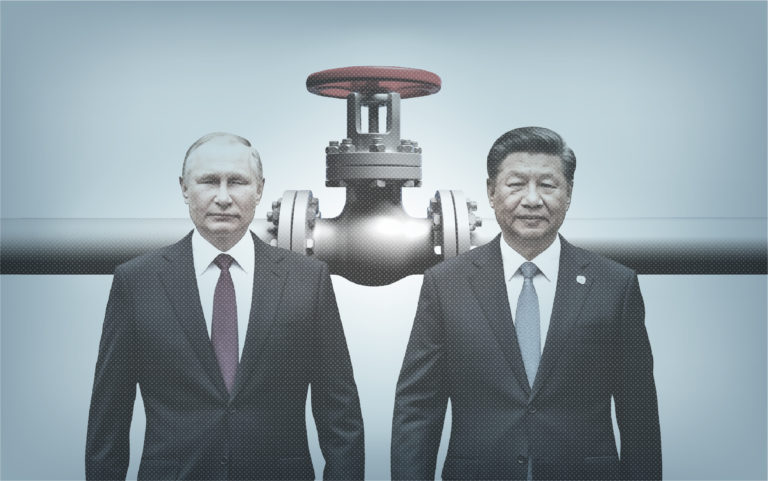
On May 14, Chinese President Xi Jinping staged a grand ceremony to welcome his American counterpart. After years of tension, the two seemed comfortable, if not relieved, to take a breath together and put aside hostilities for a moment. As they gathered for a state banquet dinner, Trump was receptive to Xi’s carefully orchestrated diplomacy, praising the “magnificent welcome like no other” he had received. Xi, in turn, declared “the great rejuvenation of the Chinese nation and making America great again go hand in hand”. As the leader of the world’s most powerful emerging power hosting his chief strategic rival, Xi set the tone not only for the dinner but the summit – a sign the power balance underpinning US-China relations is perhaps turning more equal. Xi used the summit to project himself as a peer competitor to Trump – rather than resisting the framing, he embraced it.
Trump arrived in Beijing driven by domestic political considerations. Striking deals on aviation, agriculture, and AI reflect economic issues central to his political agenda and are key to revitalising his poor standing in poll ratings. Trump also sought China’s help to contain the fallout from the Iran crisis. Xi wants the Strait of Hormuz open, but as he has consistently signalled, he wants to avoid being dragged into something he didn’t start. Instead, another issue loomed larger for Xi. Beijing’s overriding concern remains what it has consistently framed as the “Taiwan question”. Taking control of Taiwan is inseparable from “China’s national rejuvenation”, the mission to restore the country as a leading global power. Xi, like his predecessors, has consistently rejected any compromise on Taiwan.
For China, Taiwan is not to be discussed with any partner, including Europe, because it’s not up for negotiation. At the summit, Xi not only reiterated China’s well-known position but imposed it as a condition. Xi warned that “the Taiwan question is the most important issue in China-US relations”. If handled well, bilateral relations can maintain stability; if handled poorly, the two countries risk clashes or even conflicts, which could push bilateral relations “into a very dangerous situation”.
The US readout of the first day of the summit, which did not mention Taiwan, was not accidental but perhaps intended to send a message – though a mixed one. Trump showed understanding of Xi’s position, while still suggesting that for the US, Taiwan is not the most important issue. Avoiding giving a clear answer, in an interview, Trump said the potential USD 14 billion weapon sales to Taiwan are a “very good negotiating chip”. Under the Taiwan Relations Act, the US is bound to provide defensive weapons to Taiwan but not bound to use military force to defend it. While Trump also claimed that US policy on Taiwan has not changed, these remarks are likely to make an anxious Taiwan even more sceptical about US support. In a statement, Taiwan’s Foreign Ministry said the arms sales “are not only a security commitment to Taiwan explicitly set out by the US in the Taiwan Relations Act, but also a form of joint deterrence against regional threats”. Beyond the summit, living under the existential threat has just got harder for Taiwan.
Where is the EU amid all this? Struggling to become more strategically autonomous, Europe is still catching up in the global technology race, remains vulnerable to industrial chokepoints controlled by China, and lags behind the US. Although it has no comprehensive Taiwan policy, the EU sees the island as a like-minded partner in the Indo-Pacific in areas such as technology and supply chain resilience. The region is a strategic space encompassing the Indian and Pacific Oceans. By embracing the concept, regional states have suggested they don’t want the region to be dominated by a single actor.
Europe is aligned with this view, and, unlike the US, is not locked in competition for regional dominance. This puts Europe in a better place. But to make a difference on the ground, the EU must be consistent and strategically engaged. In contrast with an underwhelming US and overwhelming China, Europe can help inject more of what the Trump-Xi summit promised – stability.
Taiwan is an industrially capable partner for Europe. It is under persistent geopolitical insecurity that Taiwan developed its industrial policy. Today it is deeply embedded in global value chains. As the EU rethinks its economic model, Taiwan offers lessons on building resilience amid uncertainty. The EU has played a critical role in Taiwan’s internationalisation. Its tech excellence underpinning its drone diplomacy and experience withstanding grey zone warfare are ways for the island to engage European industry via joint research and co-production. This would enable Taiwan’s deeper integration into the European defence ecosystem and advance its internationalisation. Boosting their partnership remains a joint interest.
ENJOYING THIS CONTENT


Related publications
-
Common Ground and Complementary Strengths for Recalibrating EU–US Relations
09 June 2026
-
The State of Play of the Belt and Road Initiative: How should the EU respond to BRI 2.0?
28 May 2026
-
Made in China, Powered by Europe: Mapping the EU’s Strategic Leverage Over the People’s Republic of China
06 May 2026