

Iran’s Attacks on the GCC: A Strategic Opening for Europe
13 March 2026



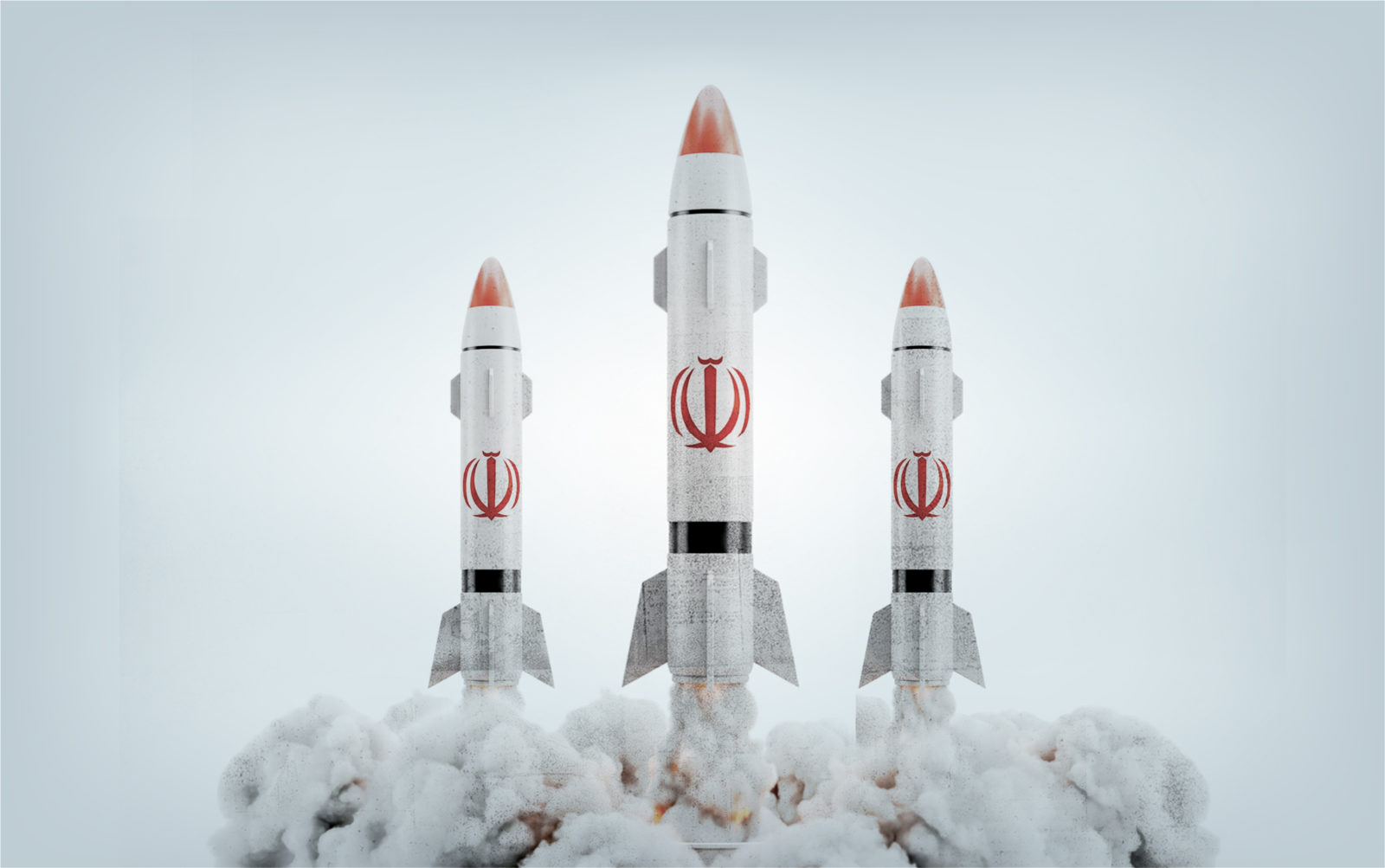
Iran’s attacks on the Gulf Cooperation Council (GCC) countries, launched on 28 February 2026, mark the most serious escalation in the Gulf in decades. These attacks will force the GCC to begin a strategic repositioning, potentially reshaping regional security and Europe’s role in the region.
The End of Iran-GCC Rapprochement
The attacks have, effectively, upended the period of cautious rapprochement between the GCC and Tehran, which was part of wider regional efforts to ease tensions over the past five years as the GCC diversified economic, political and defence partnerships and focused on national development strategies, such as Saudi Arabia’s Vision 2030.
All GCC countries have been affected by the strikes, albeit to varying levels. By 10 March, Tehran had launched around 3,000 drones and missiles at the GCC—mainly the United Arab Emirates (UAE), Kuwait, Bahrain, and Qatar—targeting residential areas and critical infrastructure, causing many casualties. Despite Tehran’s claims that the strikes aim at US interests, their scale suggests the GCC states themselves are the targets. This is in addition to Iran’s efforts to undermine their security from within. On 3 March, Qatar arrested 10 suspects for espionage and sabotage on behalf of the Islamic Revolutionary Guard Corps (IRGC), likely operational before the attacks. Such activity reflects Iran’s subversion strategy in the GCC since 1979, based on internal interference and clandestine networks.
The attacks narrowed the space for diplomacy and reinforced perceptions of Iran as a major threat across most of the GCC, with the countries reserving their right to respond. Bahrain, Kuwait, Qatar, Saudi Arabia and the UAE issued a joint statement with the US and Jordan condemning Iran’s attacks. The UAE closed its embassy in Tehran and is reportedly considering punitive financial measures against Iran. Although the GCC still emphasises diplomacy, the attacks will likely push them towards hard security calculations.
GCC’s Strategic Options
The GCC faces considerable uncertainty about the conflict’s trajectory and Iran’s future, with the ongoing US-Israeli military campaign raising several possible scenarios. It could destabilise or topple the Iranian regime, creating an uncertain transition with regional spillover effects and competing actors. The US and Israel could also declare mission accomplished prematurely, without pursuing full regime change, citing Iran’s degraded nuclear and missile capabilities and reaching an arrangement with elements of the existing regime. Alternatively, the campaign could drag on, with the regime remaining in place, leaving the GCC facing a hostile, empowered Iran.
These uncertainties are forcing the GCC countries to reevaluate their strategy. The conflict is testing the Gulf countries’ balancing between major powers, highlighting the limits of efforts to remain neutral in other crises. The evolution of the US-Israeli campaign in Iran will determine the GCC’s future relationship with the US. They could reinforce their security partnership with the US, particularly if the campaign is successful in eliminating the Iranian threat and reinforces perceptions of the US security guarantees as essential for their security. Alternatively, they may continue the diversification strategy pursued in recent years by strengthening defence cooperation with other partners, including in Europe and Asia, to decrease dependence on Washington. Another possibility involves deeper regional security cooperation within the GCC and with partners across the Middle East.
Despite Iranian attacks, the GCC countries have exercised restraint. While they have not endorsed the US-Israeli campaign, the governments have refrained from condemning it publicly, except Oman. Their immediate focus is on protecting civilians and critical infrastructure and preventing a wider regional war. However, restraint should not be mistaken for weakness or reluctance to act militarily when necessary. The countries have invested heavily in military modernisation, air defences, defence industry and partnerships over the past decades. Interception rates against Iranian missiles have been high, although Iranian drones, particularly the Shaheds, have proven to be more challenging to counter.
Implications for Europe
Europe could become a more significant partner and boost its influence in the region if the Gulf countries accelerate their efforts to diversify security partnerships. The European Union’s (EU) relations with Iran have significantly deteriorated in recent years and tensions with the US have increased. The current crisis may align EU-GCC security interests and create an opportunity for deeper, more practical Euro-Gulf security and defence cooperation, notably on maritime security and air defence capabilities, building on initiatives such as the EU-GCC regional security dialogue.
The conflict highlights the Gulf’s strategic importance for Europe. Maritime security is a key concern, as disruptions to shipping through the Strait of Hormuz and the Bab el-Mandeb impact European supply chains and global energy markets. Attacks on GCC energy infrastructure increase prices of oil, LNG, aluminium and fertilisers, affecting industry and food supplies. European nationals, investments and military assets in the Gulf also face growing risks with further escalation.
The EU strongly condemned Iran’s attacks against the GCC countries and signalled solidarity. But the scale of the crisis and interests at stake requires greater practical engagement. France, Germany and the UK jointly vowed readiness to take ‘defensive action to destroy Iran’s capability to fire missiles and drones at their source.’ France, which has a base in the UAE, has deployed additional military assets to the region and intercepted Iranian drones over the country, while Italy pledged to send air defence systems. The EU is also considering strengthening its naval mission Aspides and France announced a support mission to help reopen the Strait of Hormuz.
The conflict in the Gulf also underscores its links to other crises, notably the war in Ukraine, highlighting the transregional reach of Iran’s asymmetric warfare capabilities, particularly drones. Ukraine offered to share its expertise in countering Iranian drones used by Russia with the Gulf countries. Common security challenges could help link Europe’s support for Ukraine with practical security cooperation in the Gulf. The Ukraine and Gulf crises are interconnected and the outcome of one may impact the other.
The GCC countries remain central to regional stability, global energy markets and economic networks. As they reposition in response to Iran’s aggression, Europe has an opportunity to strengthen its strategic role in the region—provided it is willing to match political solidarity with concrete action.
ENJOYING THIS CONTENT