
Decarbonisation is no Panacea for the EU’s Energy Troubles
07 May 2026



The energy transition is a slow and gradual process, not exponential one. Renewables should be supported, but we are still living in a fossil-fuel system for vital components of our economy. The EU needs to ensure sufficient (clean & fossil) energy supply to avoid stagnation.
`The wind and sun don`t need to transit the Strait of Hormuz` is doing the rounds as a rallying cry of the sustainability crowd in Brussels. We are reminded that if we had decarbonised faster, Europe wouldn`t need to rely on Russian oligarchs or Middle Eastern tycoons. And that message sure resonates.
If only it were that simple. The EU pledged immense financial resource on ‘climate mainstreaming’, Recovery and Resilience Fund earmarking and various other investment vehicles. Certain estimates on collective spending on clean energy in the early 2020s calculate an impressive sum of more than 450 billion euros per year, equivalent to 2.6 % of EU GDP. This is more than the annual funds spent on our defence.
But even after a decade of the green bazooka, the results are modest. Renewable energy is expanding slowly at an average 0.7-0.8 % of total energy supply per annum. The 2030 renewable targets look way out of reach for almost every economic sector. At least a dozen EU member states barely cover (or fail) the 20 % threshold of renewable energy in their mix.
And if you imagine shiny wind blades and solar panels pumping green energy nectar to our electricity grids, think again. More than half of our ‘renewables’ is actually biomass, i.e., burning wood and waste which many scientists still debate whether can be considered as sustainable.
To date, the biggest obstacle to the clean energy transition remains physical reality. Such a transformative transition is extremely lengthy, costly, bureaucratically protracted, as well as riddled with intermittency of supply and grid limitations. True, the decarbonisation of electrical power is showing promising results, but electricity is just 1/5 of total energy usage. Overall decarbonisation is gradual and limited, not exponential.
For better or worse, the EU still depends for more than 70 % of its needs on fossil fuels. Transport, industry, heating, manufacturing and agriculture are extremely hard to abate sectors but remain vital for our livelihood. Even under the most ambitious decarbonisation scenarios Europe would still rely on oil and gas deep in the 2030s.
None of these arguments mean that Europe should stop its decarbonisation drive. However, many European policy-makers are stuck in a rut that it’s black and white choice between ‘good’ and ‘bad’ energy sources. The political polarisation of this debate went so far that hardcore right-wingers see green energy as woke, while progressives label support for fossil fuels as backward or pro-Trump. Both camps are not serious people.
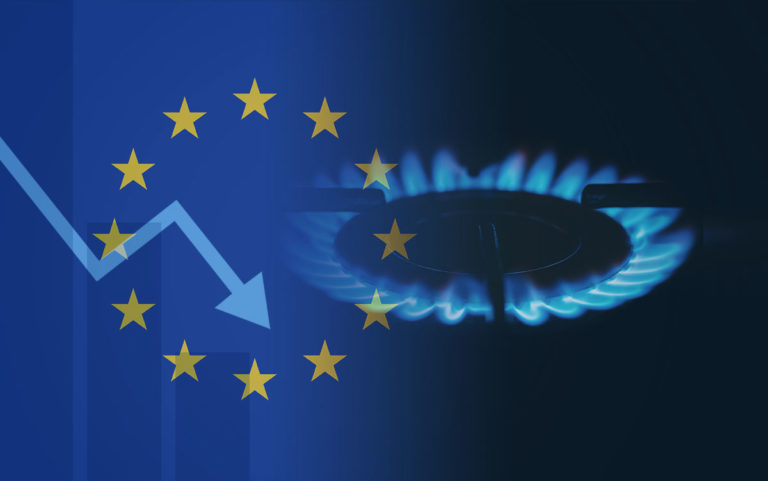
Energy policy shouldn`t be a binary choice, riddled in climate dogma. The over-ambitious drive to commit to decarbonisation at all costs brought Europe to the current situation of energy austerity and extreme price volatility. The expensive energy handicap has become a major detriment to economic success in Europe – from conventional industry to electricity-hungry data centres.
EU staffers and sustainability experts became masters of glossy 2040/2050 timelines, but we need affordable and reliable energy in the short to mid-term. The upcoming launch of the Romanian Neptune Deep gas site in 2027 should be celebrated as an addition to European domestic production. In a welcome change of rhetoric, the German government now openly talks about climate realism and the need to explore domestic gas reserves in the North Sea.
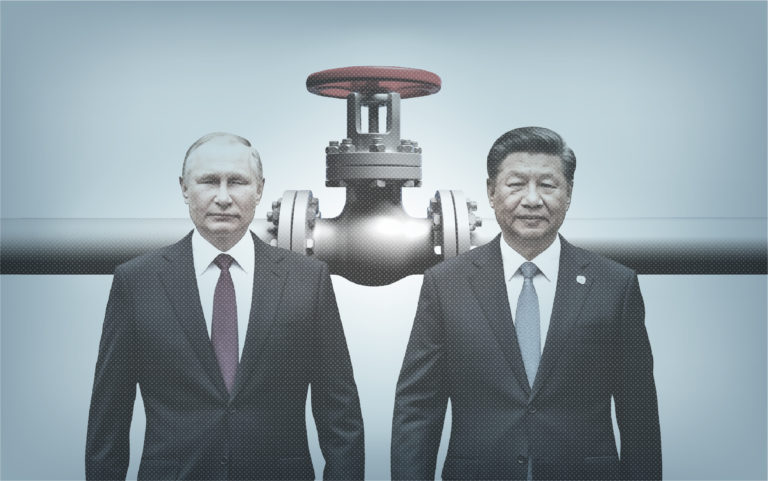
In parallel, Europe should ensure sufficient long-term suppliers of natural gas guaranteeing the best price. The wide range of crude oil import suppliers to Europe currently acts as a needed cushion given the chokepoint in Hormuz. A diversified portfolio is also the best insurance against the temptation of restoring the Faustian bargain with Russia on energy imports.
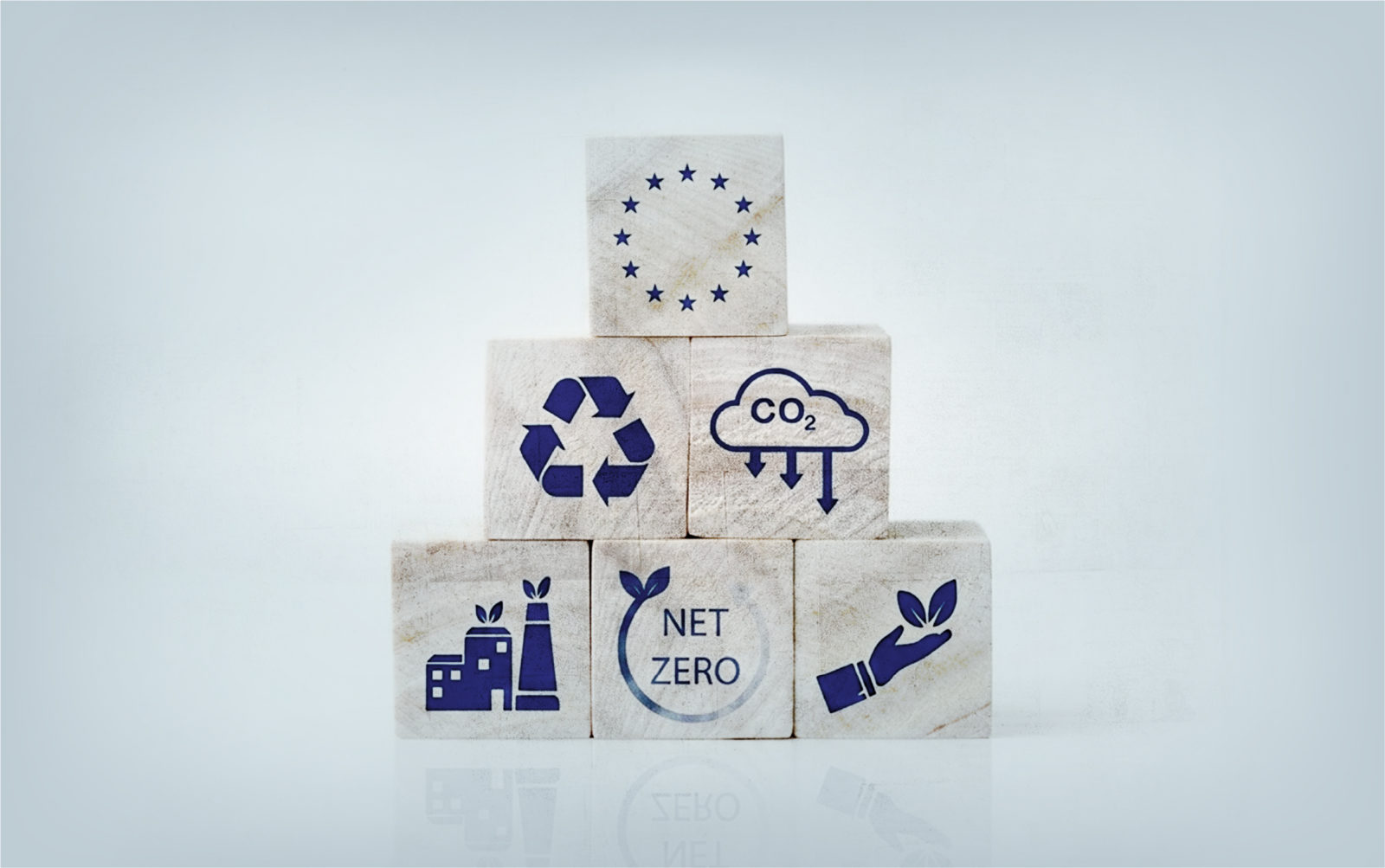
In the same vein, the clean energy transition should be supported – realistically, not religiously. Member states should urgently address the question of grid investment in transmission and distribution networks. Nuclear energy must be backed as reliable supplier of clean electricity, while supranational funding ensures that Europe pushes ahead with breakthrough research and novel reactor design.
Offshore wind energy projects offer still untapped potential, together with a number of niche sectors such as electrolysers or heat pumps where Europe can have a comparative economic advantage. European companies need to make a profit from the Green Deal, not just Chinese manufacturers. Lastly, energy efficiency should be pursued, not a de-growth mindset of energy austerity which celebrates a shrinking economy that fits climate targets.
In short, we need an approach that enables a realistic clean energy transition but also guarantees sufficient conventional supply. The current framework of penalising fossil fuel usage while struggling to ensure energy security is more than dangerous.
In the rush to get the luxury green premium, we risk breaking the economic foundation.
ENJOYING THIS CONTENT