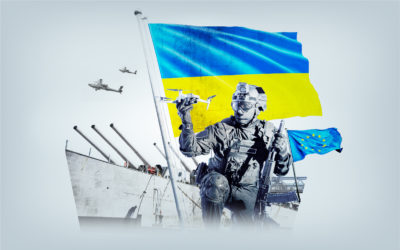
Europe’s current security approach is largely shaped by an understandable focus on defence and deterrence in response to Russia’s war against Ukraine. Threat perceptions in Europe have changed. However, this renewed emphasis on the military dimension risks narrowing the EU’s overall strategic vision of security, overlooking the complex political, social, and economic drivers of instability. Military strength can prevent or halt violence, but it cannot create conditions for sustainable peace. Without a balanced investment in diplomacy, development, governance, and peacebuilding, Europe will remain trapped in perpetual, reactive crisis management rather than addressing the roots of instability more proactively and sustainably.
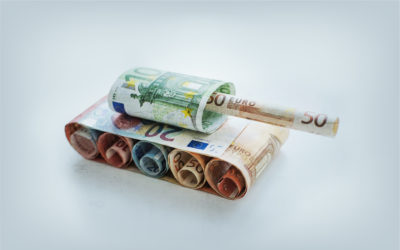
This imbalance between defence-related investment (€343 billion in 2024) and long-term peace-building measures is particularly visible in the emerging architecture of the 2028-2034 Multiannual Financial Framework, where €190 billion is earmarked for Global Europe, the main instrument of the European Union for external action, promoting sustainable development, peace, and stability worldwide.
However, experience shows that Global Europe’s strategic orientation remains vague. Comprehensive security is insufficiently defined and, in many cases, incoherently operationalised. One longstanding dilemma, among others, is how to align rapid crisis response with long-term reconstruction and resilience-building in (post-)conflict societies.
On the other hand, the wide range of potential contributions of EU institutions, political families, and civil society to broader security remains underutilised. This is the result of a lack of a clear framework—at the level of policy, systems, and financing mechanisms—that connects military hard-power with diplomacy, development, and peacebuilding as complementary pillars of a single security and foreign affairs strategy.
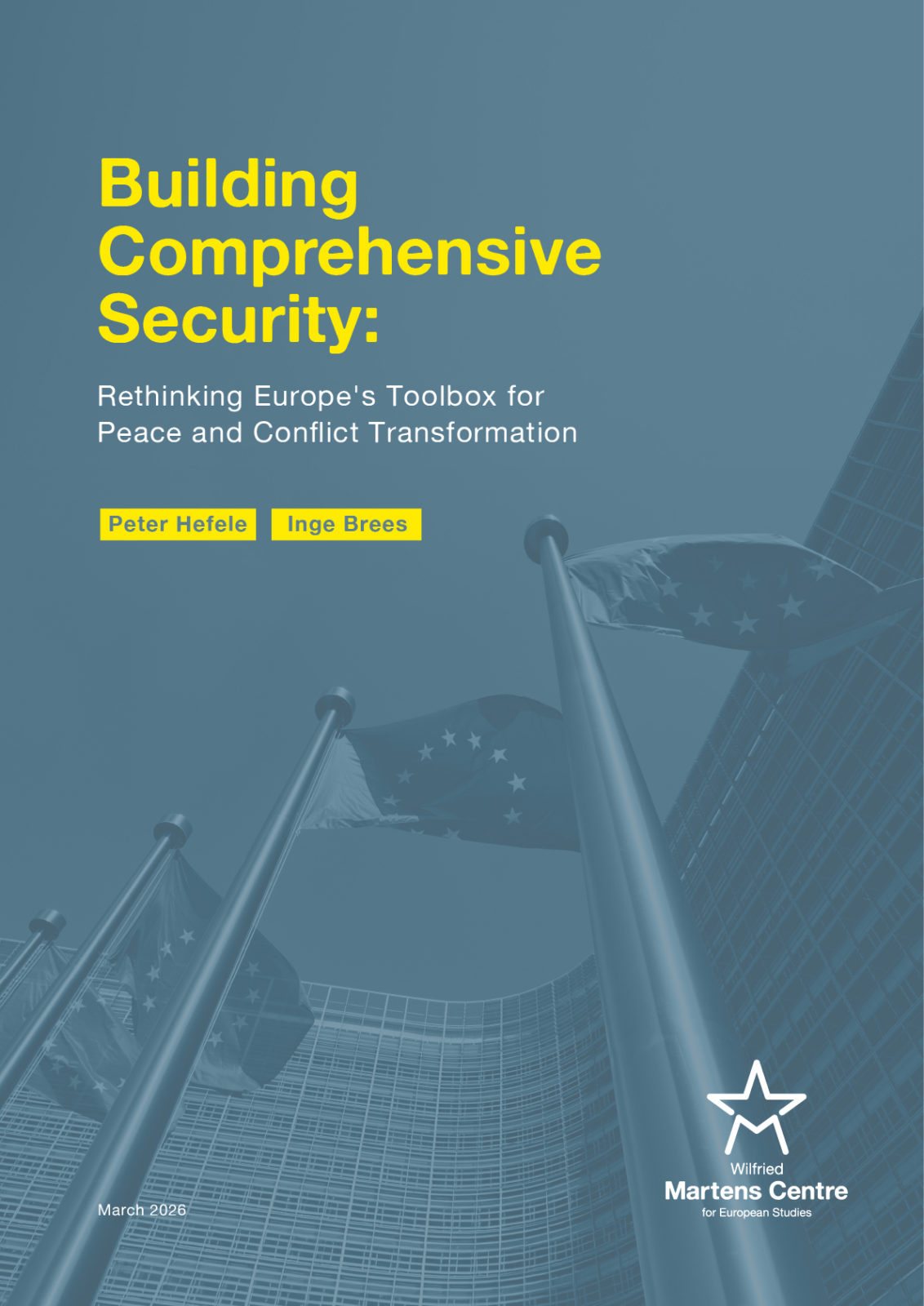
Based upon an analysis of conceptual, operational, and budgetary shortcomings, the following policy recommendations can be seen as a contribution to the current public debate on the structure and political orientation of the next Multiannual Financial Framework (2028-2034) of the European Union. These decisions will significantly define the scope and strategic options for Europe’s global engagement, comprehensive security, and political leverage.


 ENJOYING THIS CONTENT?
  Download the publication
 See the publication in a flipbook