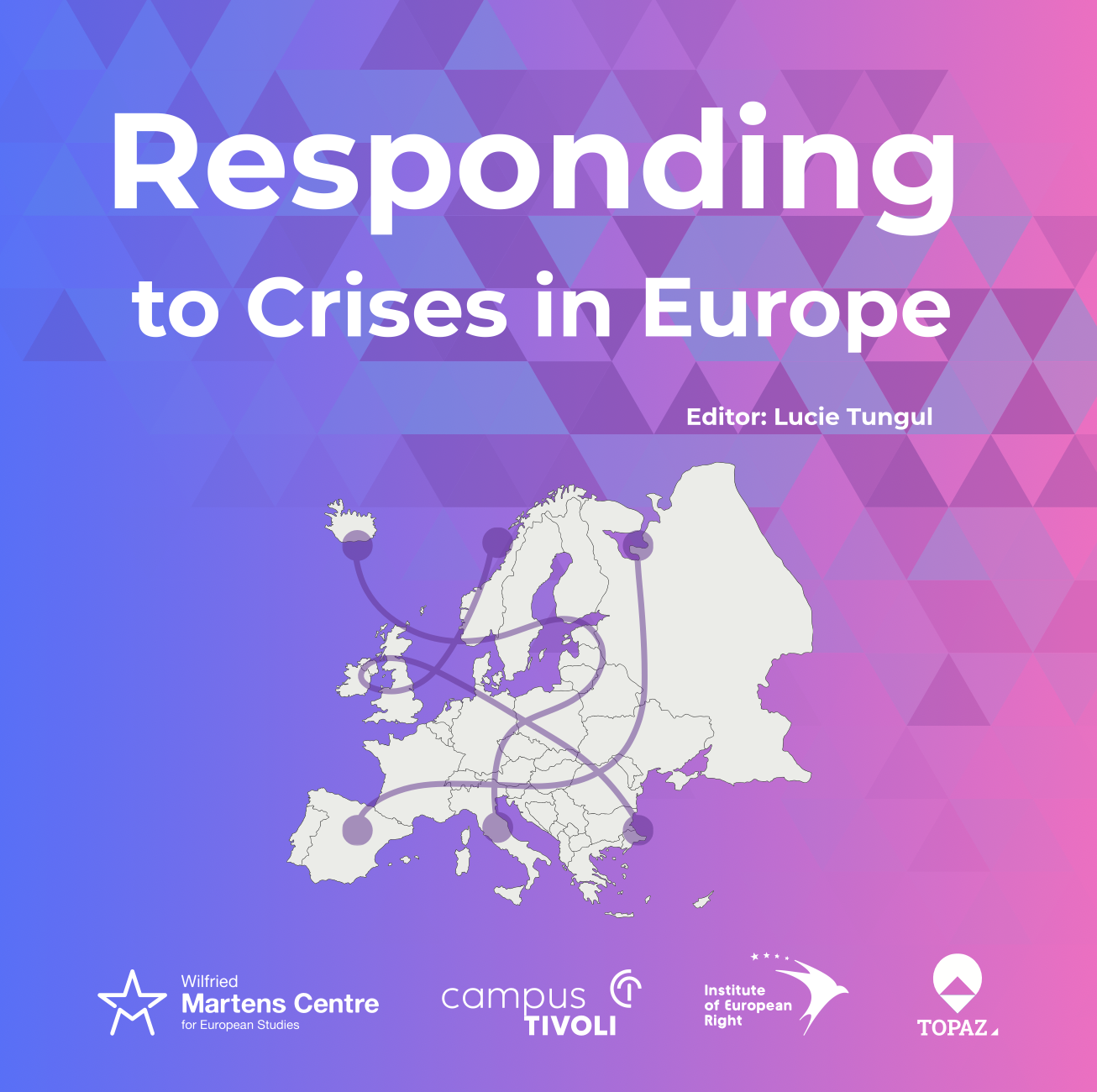
The chapters collected in this volume were written against the backdrop of an accelerating crisis in the European security order. Russia’s full-scale invasion of Ukraine in February 2022 did not simply alter the parameters of conventional military deterrence; it exposed structural vulnerabilities across democratic governance, economic supply chains, information ecosystems, and the architecture of international cooperation that had accumulated over more than three decades of post-Cold War complacency. The contributors to this volume approach these challenges from distinct disciplinary and national vantage points, yet a common thread runs through their analyses: the conviction that the European response to this moment will be shaped not only by military capacity or institutional design, but by the quality of democratic governance and civic resilience at every level of political life.
The volume is organised around three broad and overlapping concerns. The first is the challenge of containing Russian aggression through sustained international cooperation — militarily, economically, digitally, and diplomatically. The second is the internal dimension of democratic resilience: the capacity of European states and societies to withstand hybrid threats, information manipulation, and the erosion of political norms, whether imported from abroad or generated from within. The third is the question of reconstruction and integration — how Ukraine, its municipalities, and its civic institutions can emerge from war in a form that sustains the democratic gains of the post-Maidan decade while addressing the structural inequalities that the conflict has both revealed and deepened.
Together, the chapters resist easy optimism. They document remarkable instances of resilience — in Ukrainian hromadas, in Moldova’s electoral institutions, in the Baltic states’ accumulated experience of hybrid defence, and in the Nordic countries’ institutionalised total defence models — while insisting that these achievements remain fragile and conditional. They also register the costs of strategic failure: the diplomatic incoherence that preceded the 2022 invasion, the democratic erosion visible in the United States with direct implications for Europe, and the persistent gaps in Europe’s capacity to act collectively in its own defence. Read together, they constitute both a diagnostic account of the present moment and a set of arguments about the institutional, political, and civic investments that the coming years will demand.



 ENJOYING THIS CONTENT?
  Download the publication
 See the publication in a flipbook