


 ENJOYING THIS CONTENT?
  Download the publication
 See the publication in a flipbook
Related publications
-
Other
Why the EU and India Must Shape AI Together
-
Policy Briefs
From Rupture to Resilience: Middle Power Dynamics in EU–ASEAN Cooperation
-
IN FOCUS
The End of the Atlantic Era? A Historical Perspective
-
Other
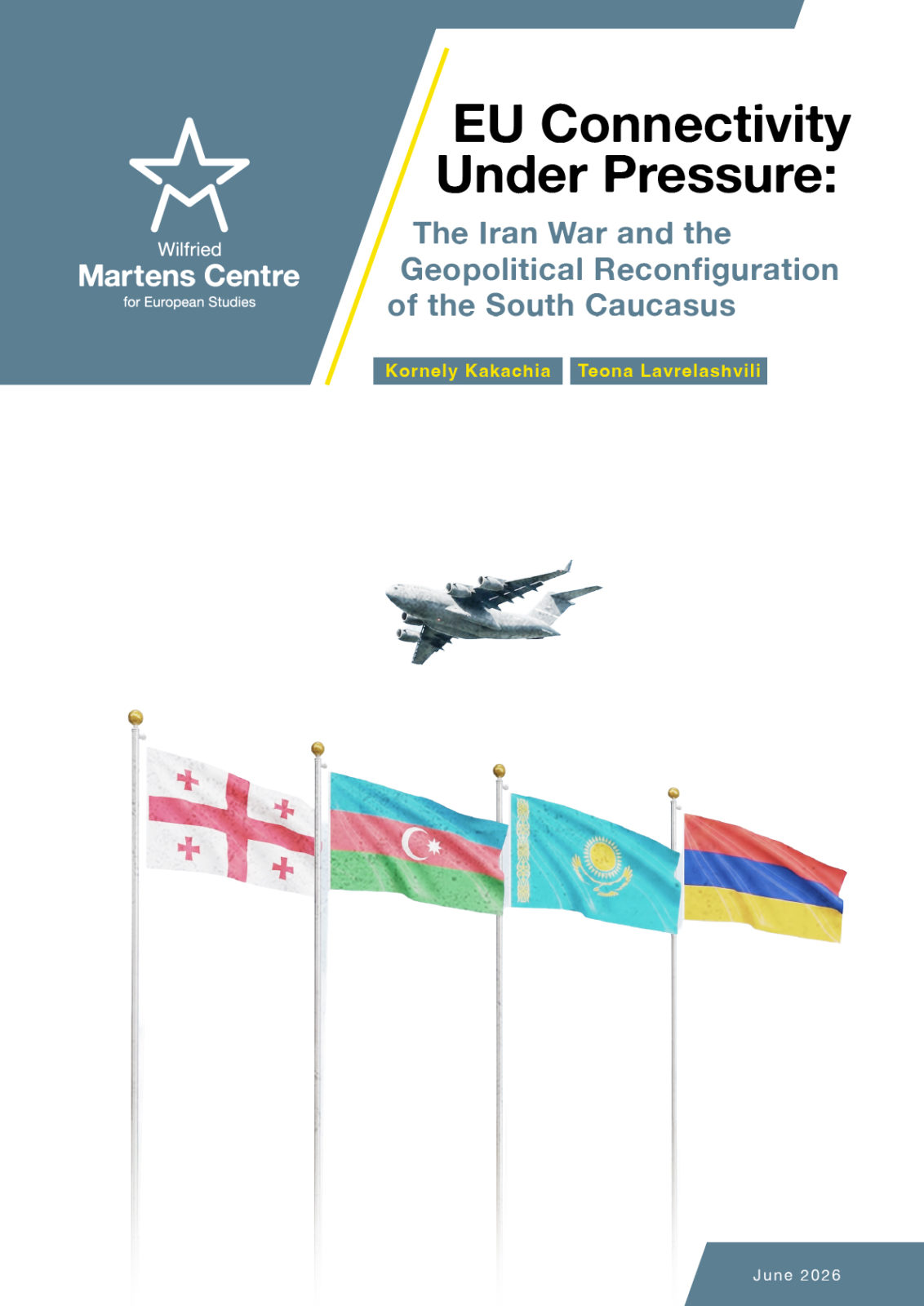
EU Connectivity Under Pressure: The Iran War and the Geopolitical Reconfiguration of the South Caucasus
-
Future of Europe
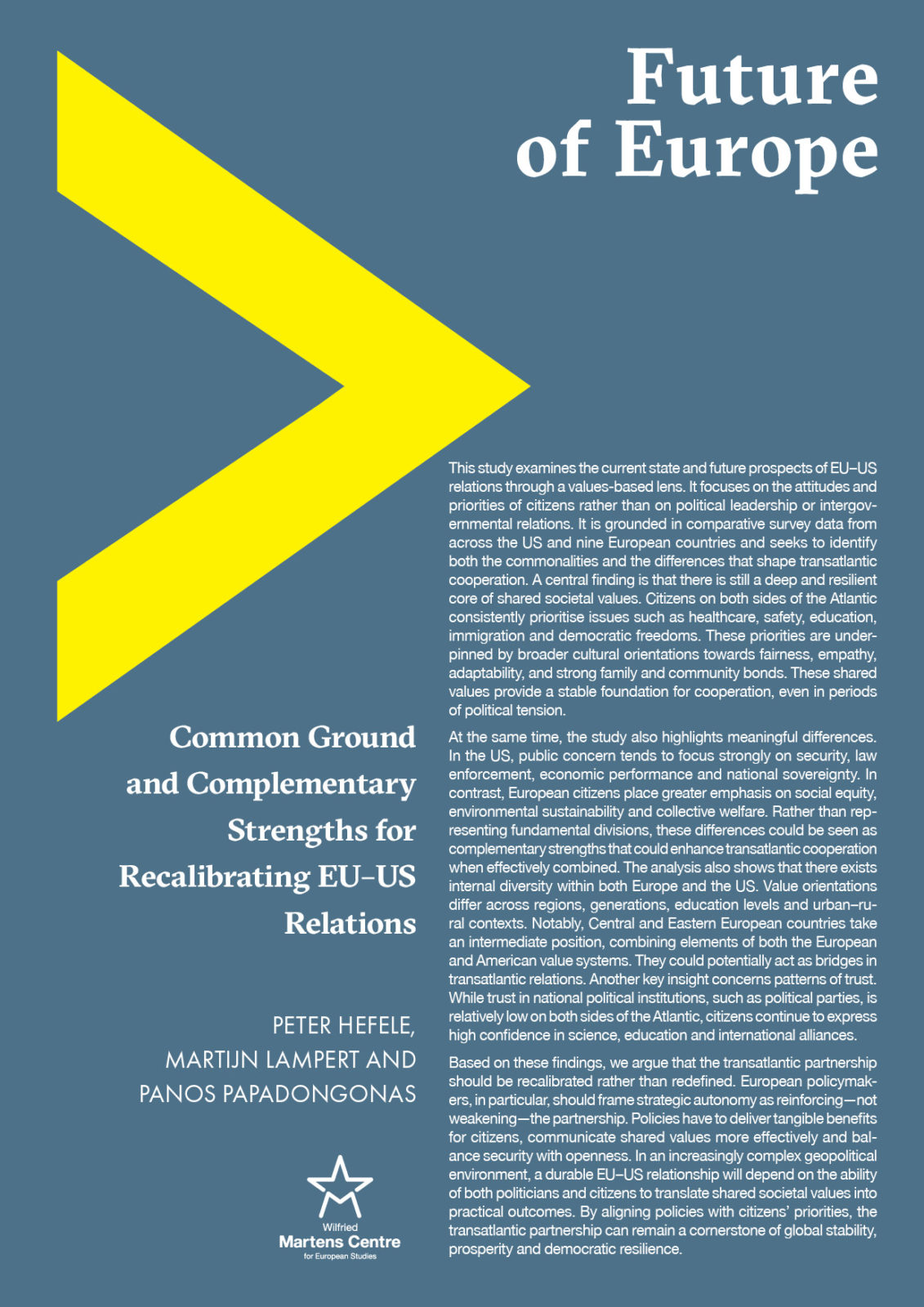
Common Ground and Complementary Strengths for Recalibrating EU–US Relations
-
Research Papers
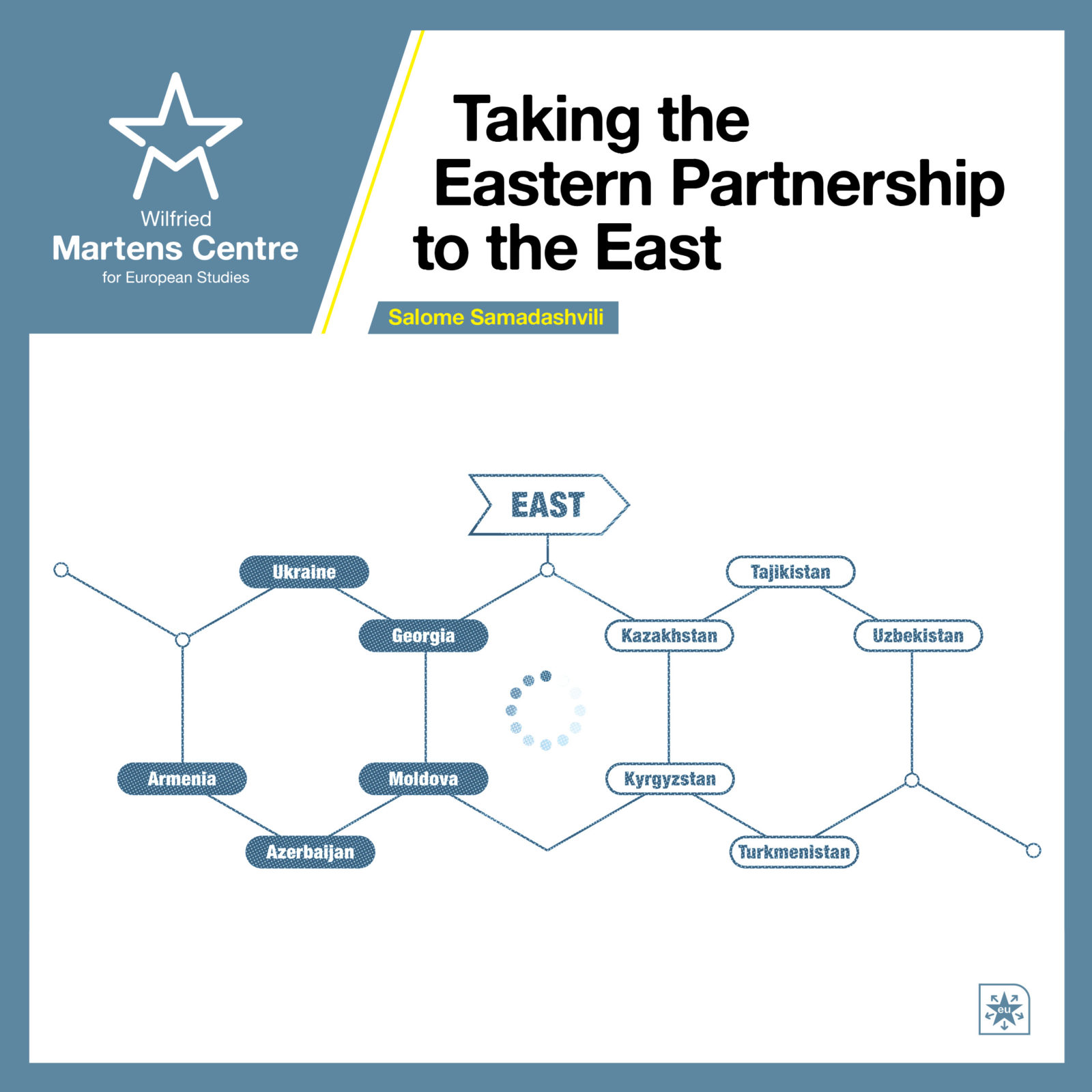
Taking the Eastern Partnership to the East
-
Collaborative
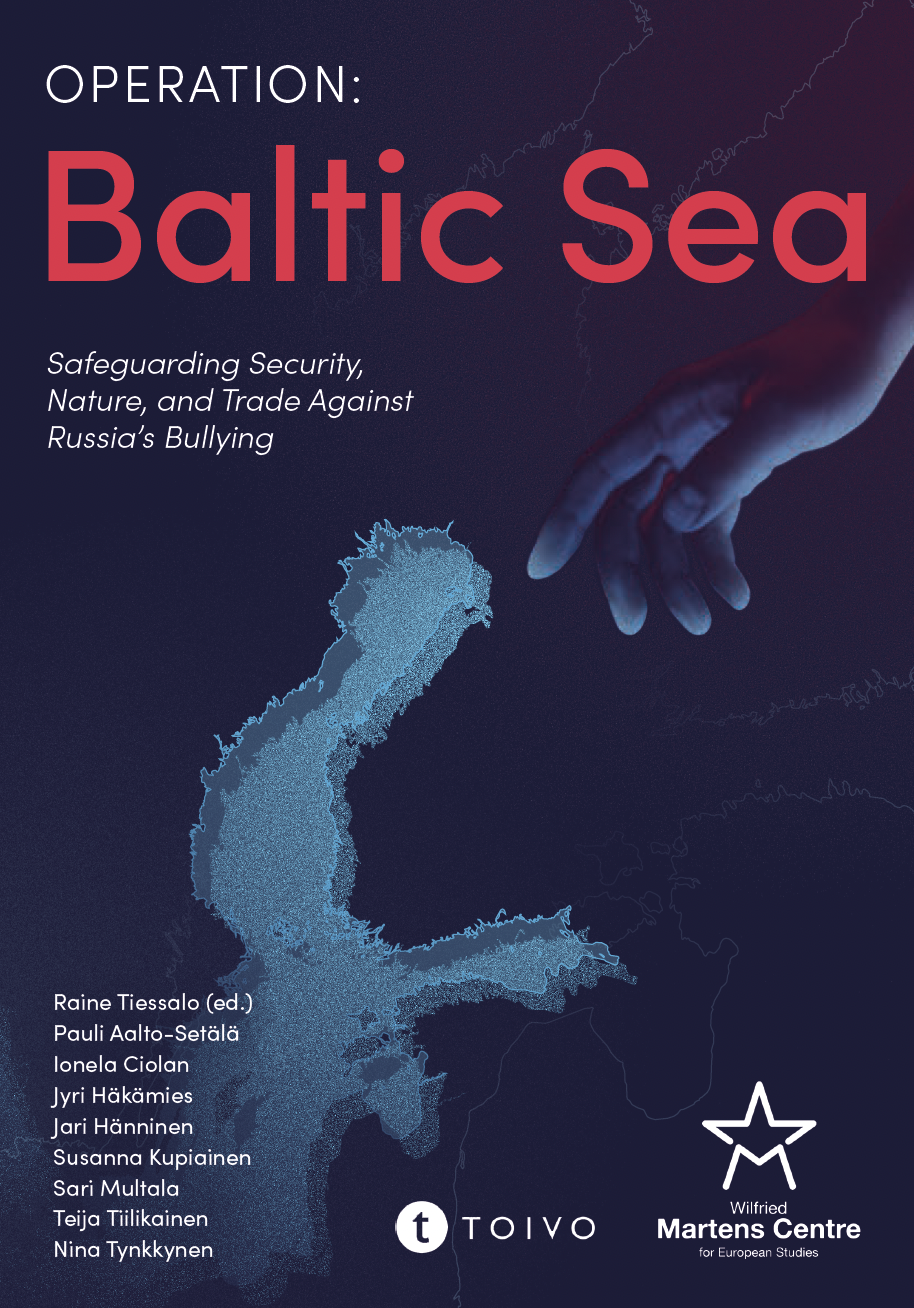
Operation: Baltic Sea – Safeguarding Security, Nature, and Trade Against Russia’s Bullying
-
Other
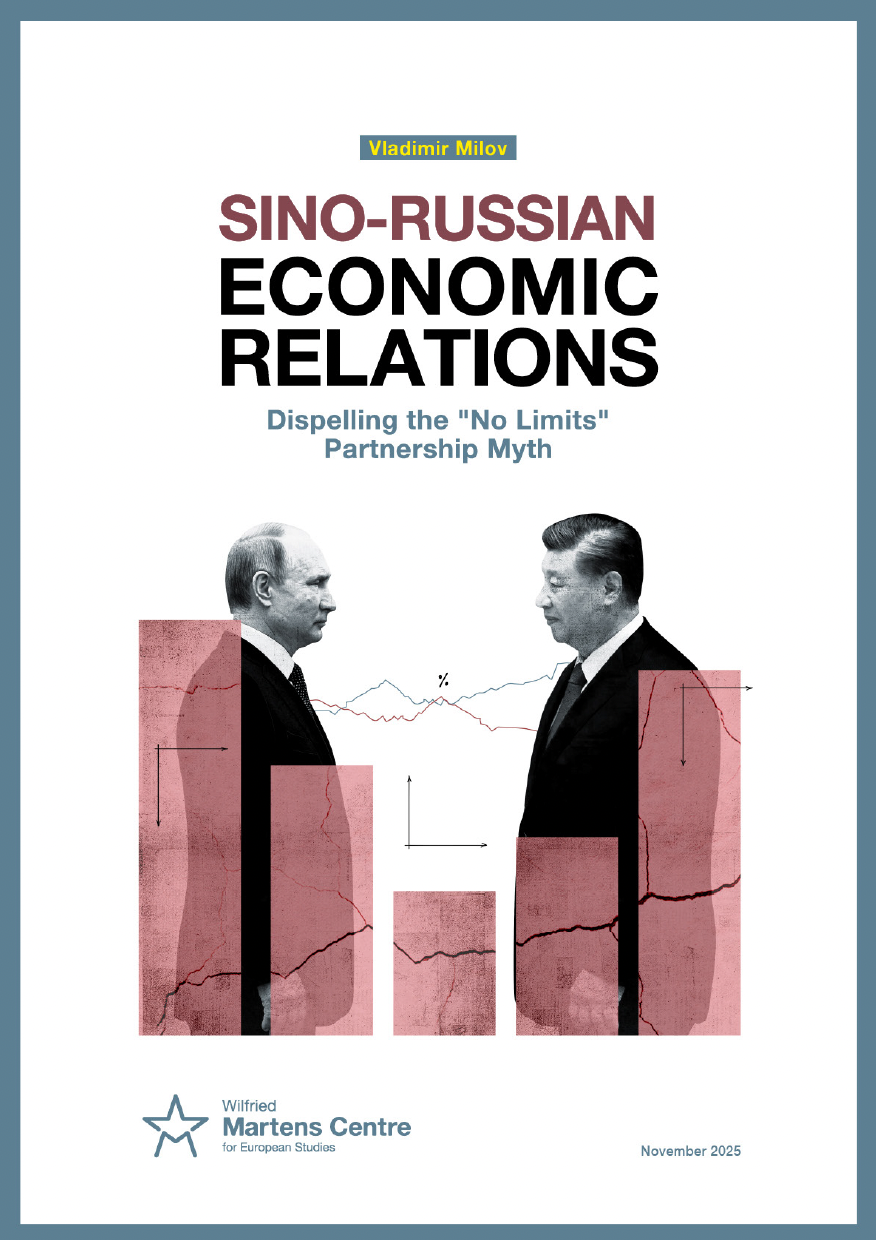
Sino-Russian Economic Relations: Dispelling the “No Limits” Partnership Myth