

Elections in Japan: What Takaichi’s Supermajority Means for Strategic Realities in the Indo-Pacific
10 February 2026

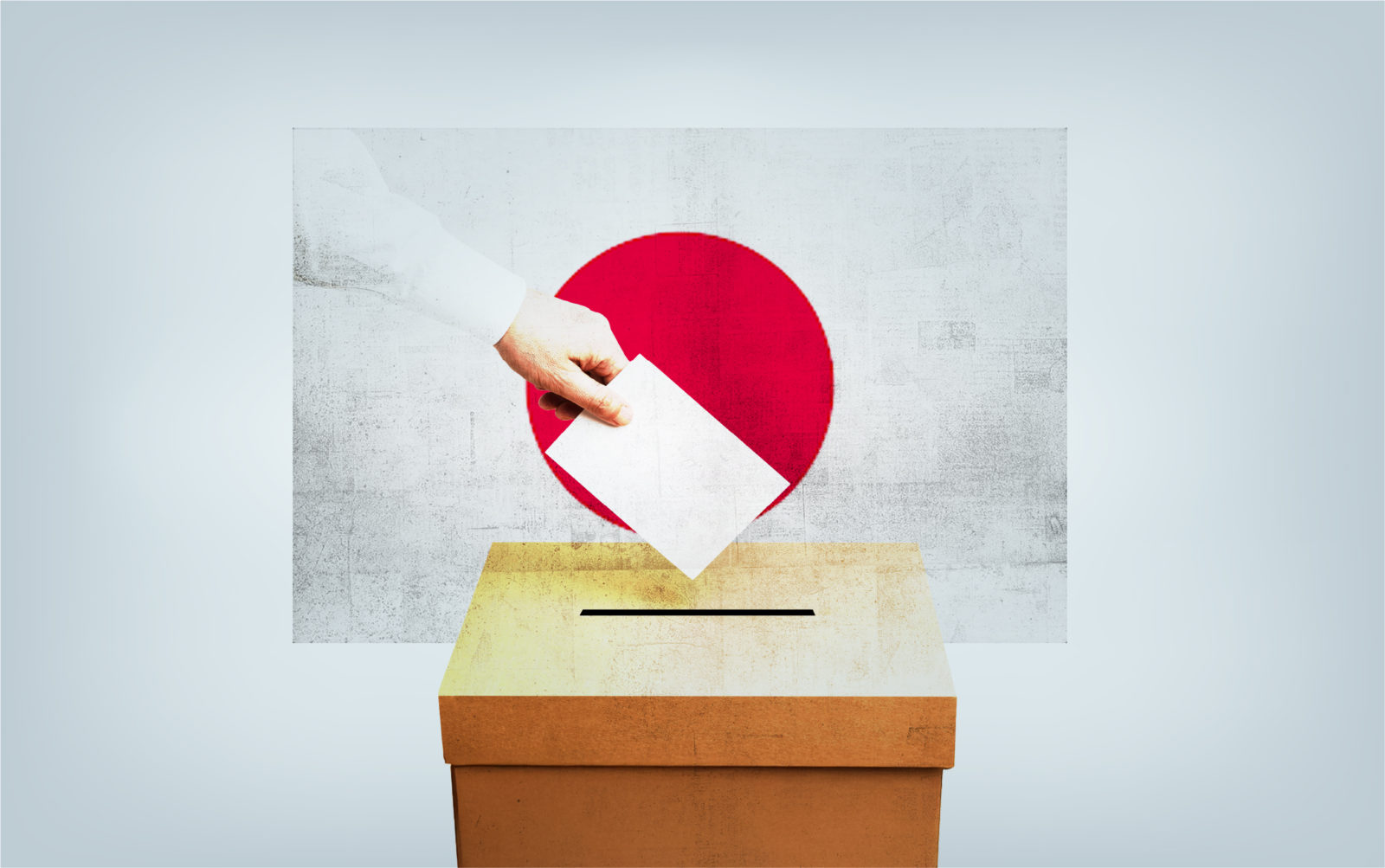
On 8 February, Japanese Prime Minister Sanae Takaichi secured a two-thirds supermajority in a key parliamentary election. The outcome – 316 seats out of 465 in the Parliament’s Lower House – marks the best result for her party, the Liberal Democratic Party (LDP) since its founding in 1955. Together with its coalition partner, the Japan Innovation Party (JIP), the bloc won 352 seats, while the main opposition Centrist Reform Alliance held on to only 49 of the 172 seats it previously held. The result is clear: Takaichi has consolidated her position, and this will likely influence the strategic reality of the Indo-Pacific region.
In a televised interview, Takaichi promised to pursue policies designed to make Japan strong and prosperous. Japan’s neighbours have largely embraced her victory – except for China. How Takaichi manages relations with China will define her foreign and security policy agenda, and shape Japan’s relations with like-minded partners in the region and beyond, most of whom share closely aligned economic and security interests with Tokyo. Given the Indo-Pacific region’s strategic relevance to Europe’s security and prosperity, sustained European engagement in the region will therefore be essential.
The leaders of South Korea, India, and Taiwan all took to social media as the landslide became clear to congratulate Takaichi and express their eagerness for future cooperation between their countries and Takaichi’s Japan. Predictably, Beijing offered neither praise, nor diplomatic restraint. In line with China’s firmness on the principle of non-interference, Foreign Minister Spokesperson Lin Jian said the elections were “the internal affair of Japan”. He then urged Japan to “follow the path of peaceful development rather than return to militarism”. Spokesperson Lin didn’t miss the chance to “once again urge Japan to retract the erroneous remarks of Sanae Takaichi on Taiwan and take the concrete actions to demonstrate the necessary sincerity to uphold the political foundation of China-Japan relations”.
This hostile tone comes from the diplomatic spat in Japan-China relations following Takaichi’s remarks on November 7, 2025. While responding to questions during a meeting in the Lower House of Japan’s Diet, Prime Minister Takaichi said that China’s use of military force against Taiwan – such as a naval blockade – would likely constitute a “survival-threatening situation” that would force Japan to respond. To clarify what she meant by such a situation, she added: “A judgement must be made after comprehensively assessing all information in line with the individual and specific circumstance of what has actually occurred”.
For Beijing, Taiwan is a core national interest, and it therefore considers Takaichi’s statement an interference in China’s domestic affairs. China responded with measures such as restrictions on Japanese seafood imports and summoning the Japanese ambassador. Takaichi has not retracted her remarks. Instead, she insisted her position was in line with existing policy.
In recent years and directly linked to Beijing’s hostility, Japan has proved to be a quiet but consistent and reliable partner for Taiwan. Both East Asian nations have repeatedly found themselves at the receiving end of Beijing’s economic coercion. Strengthened from the top through parliamentary diplomacy and reinforced from the ground up by cultural affinity and shared democratic values, Japan and Taiwan are increasingly bound by a shared concern over regional security.
The “Freedom pineapples” social media campaign, sparked by China’s 2021 ban on Taiwanese pineapple imports and met by Japan’s quick move to buy large quantities of the fruit, stands as a clear testament to the depth of this friendship. At the time, Prime Minister Shinzo Abe (who had mentored Takaichi when she entered politics) shared a picture of himself on social media holding a pineapple, which gained over half a million likes in just five hours. The post said: “Today’s snack is pineapples, and they look delicious”.
Beyond solidarity, Japan and Taiwan share a highly complementary relationship in critical technologies, particularly semiconductors; Taiwan leads in advanced manufacturing and Japan excels in equipment. Finally, they both depend on maritime routes for their imports and remain dependent on foreign countries for their energy needs, a critical vulnerability amid escalating fragmentation. In fact, it is in the Indo-Pacific that geopolitical instability has played out most acutely.
As the world’s economic centre of gravity, the strategic landscape of the Indo-Pacific is highly contested, shaped by the US-China strategic rivalry and an assertive China, and not least by the response of regional states to the growing rivalry. Escalating tensions are forcing regional states to exercise agency, moving beyond being mere pawns in great power competition.
For Indo-Pacific regional powers, living simultaneously in two different realities—an economic reality of deep integration with China, and a political-security reality of maintaining a vital security partnership with the US—has required careful balancing and constant hedging. Southeast Asian nations have used diplomacy to navigate great power rivalry under the umbrella of ‘ASEAN Centrality’, choosing flexibility, rather than sides. Japan and Korea are both realigning their strategies in line with their interests.
Notwithstanding the growing difficulty of balancing, Indo-Pacific countries have found a way to avoid alignment. Takaichi’s victory seems to solidify this trend, which directly aligns with European interests. Japan is likely to continue to assert itself along its interests, invest in resilience to hedge against uncertainty, and stay open to cooperation. Japan and Taiwan have overlapping interests in economic security and maritime security and believe in the value of a free and open Indo-Pacific.
This belief also aligns closely with Europe’s own strategic interests and enduring emphasis on dialogue and cooperation, as it seeks to keep up with fierce global competition. As such, cultivating deeper engagement in the Indo-Pacific – particularly in critical technologies and resilient supply chains with partners such as Japan and Taiwan – is essential to its own ability to forge and shape effective strategic partnerships in the region. Japan and Taiwan will remain indispensable to Europe’s supply chain restructuring and technological sovereignty efforts.
ENJOYING THIS CONTENT?




-
Iran’s Attacks on the GCC: A Strategic Opening for Europe
Blog
13 Mar 2026
-

China, the EU… and Starmer’s Future I Bridge the Channel Ep.22
Bridge the Channel - Multimedia
25 Feb 2026
-

Values-Based Realism and Its Enemies: How to Tackle the new Geopolitical ‘Realism’ from Left and Right
Blog
24 Feb 2026
-

Europe’s Security Future Hinges on Ukraine’s Innovation
Blog - Ukraine
05 Feb 2026
-

From Partner to Problem – How Trump’s Foreign Policy is Reshaping the World Order
Blog
22 Jan 2026
-

Flight 93, the Donroe Doctrine, and Gunboat Diplomacy
Blog
15 Jan 2026
-

What the 2025 National Security Strategy Means for the Indo-Pacific And Why This Matters to Europe
Blog
13 Jan 2026
-

Venezuela Post-Maduro: Meeting the Challenge of Reconstruction
Blog
12 Jan 2026
-

From Crisis to Transition: Why Venezuela Matters for Europe
Blog
17 Dec 2025
-

Can 2026 reset EU-UK relation? – Bridge the Channel ep20
Bridge the Channel - Multimedia
15 Dec 2025