


 ENJOYING THIS CONTENT?
  Download the publication
 See the publication in a flipbook
Related publications
-
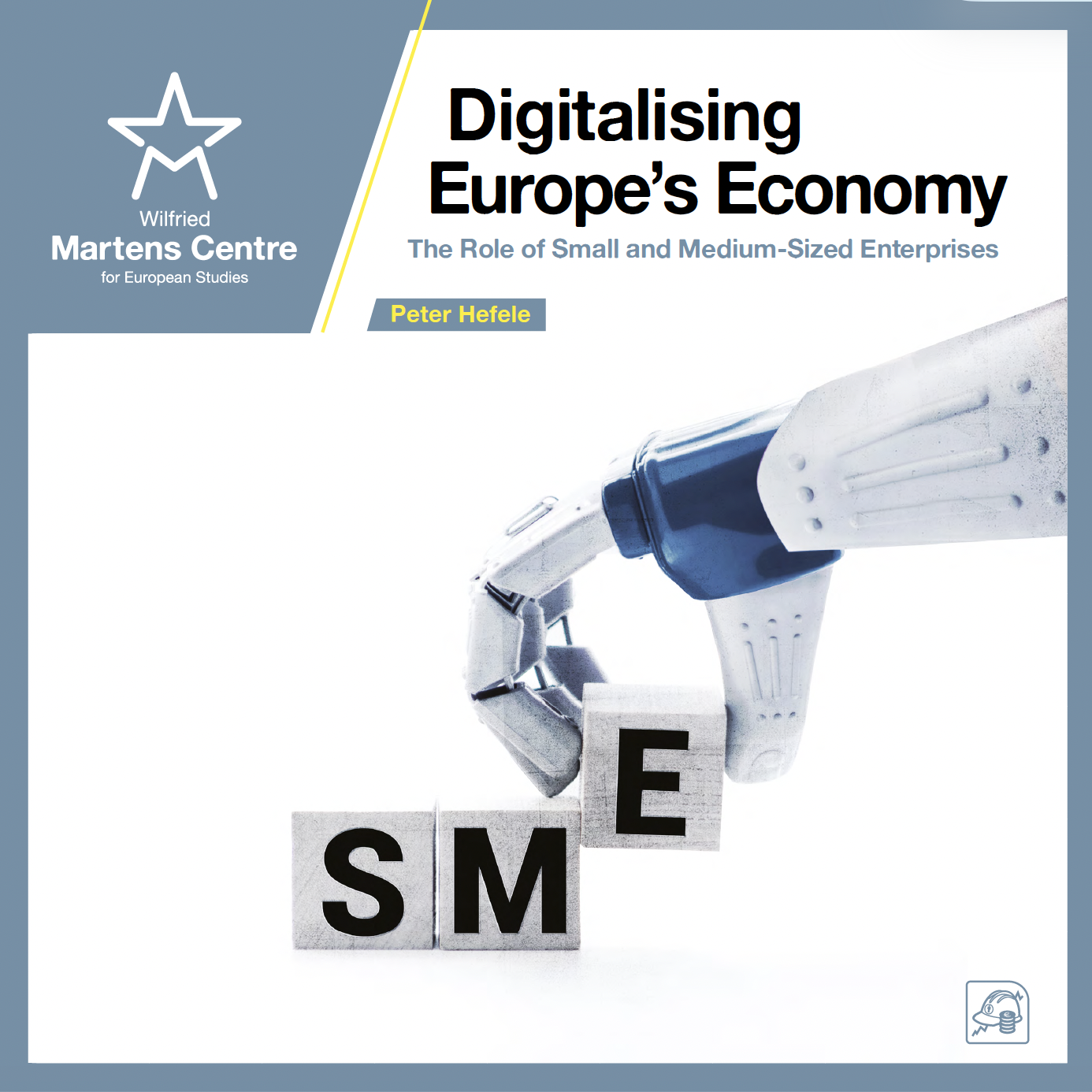
Research Papers
Digitalising Europe’s Economy: The Role of Small and Medium-Sized Enterprises
-
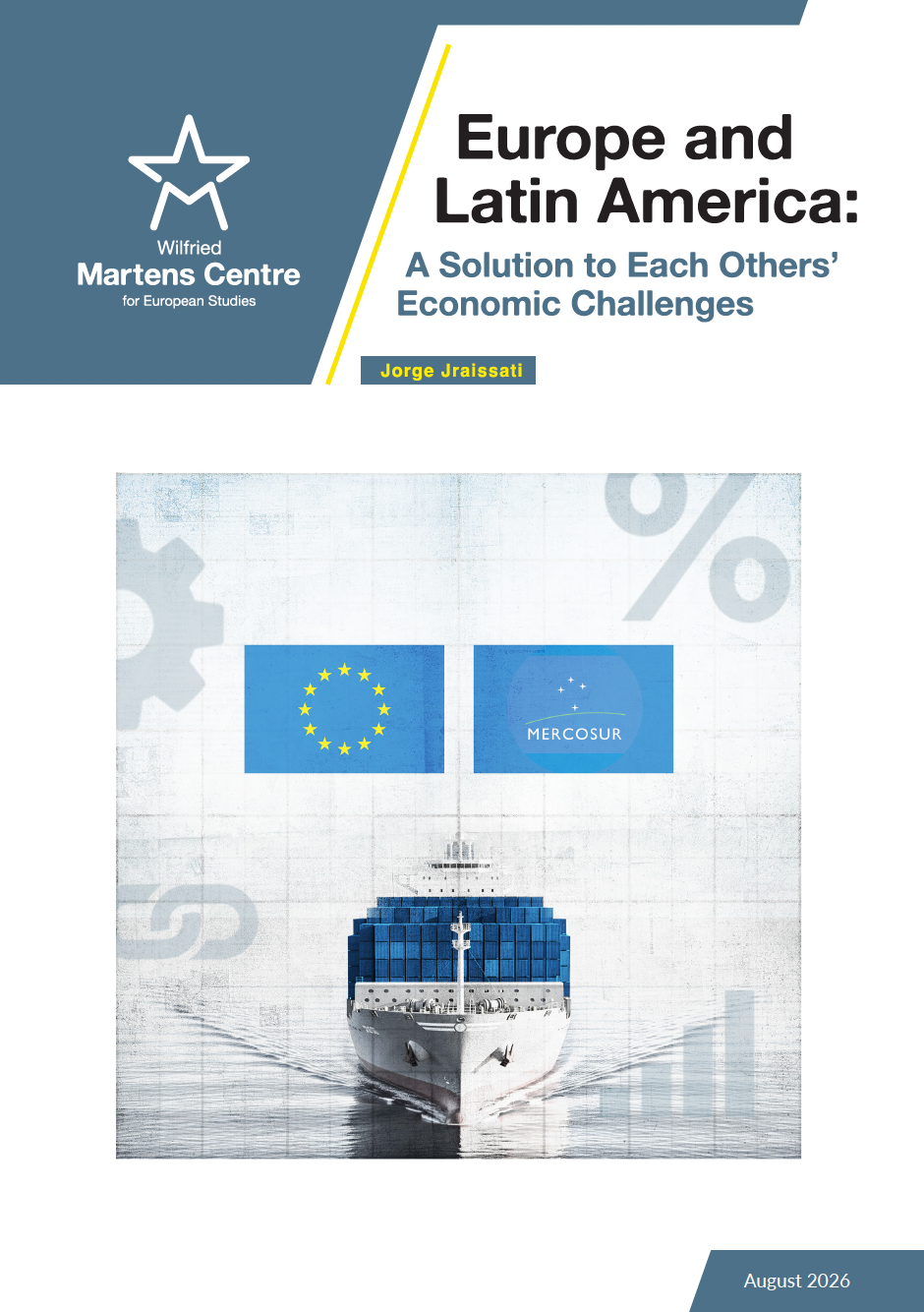
Other
Europe and Latin America: A Solution to Each Others’ Economic Challenges
-
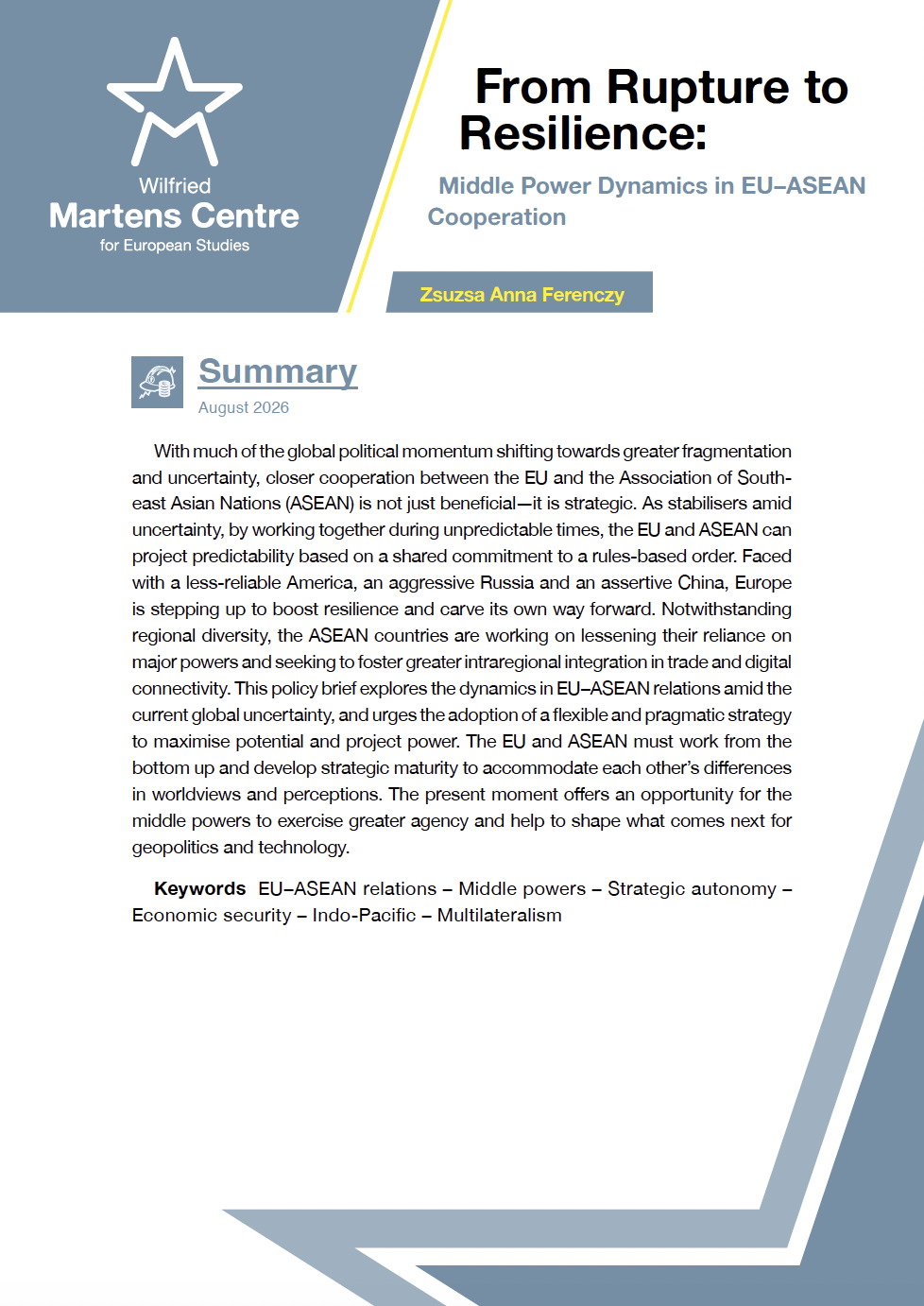
Policy Briefs
From Rupture to Resilience: Middle Power Dynamics in EU–ASEAN Cooperation
-
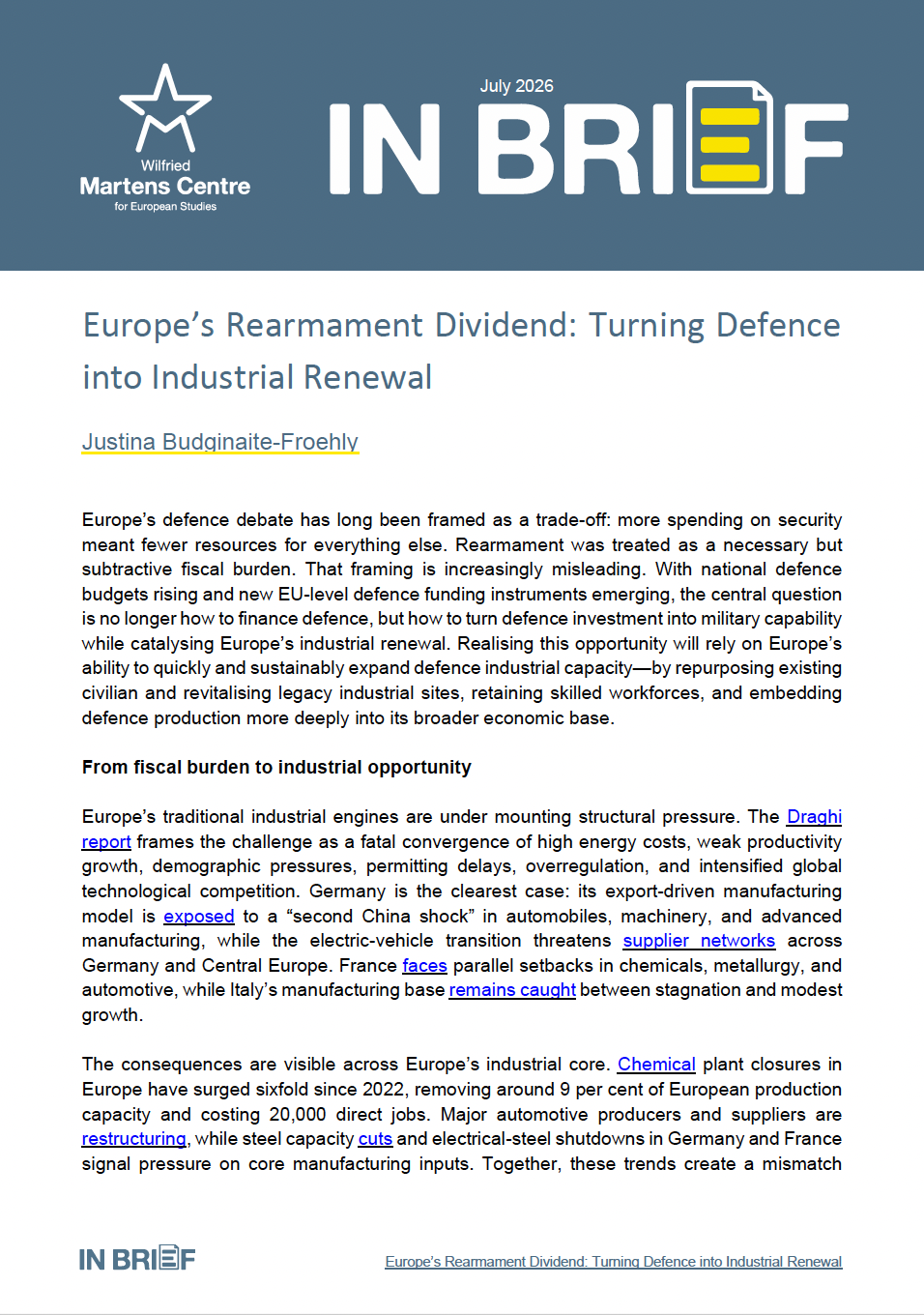
IN BRIEF
Europe’s Rearmament Dividend: Turning Defence into Industrial Renewal
-
Research Papers
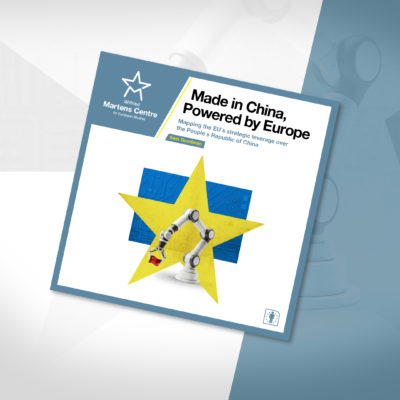
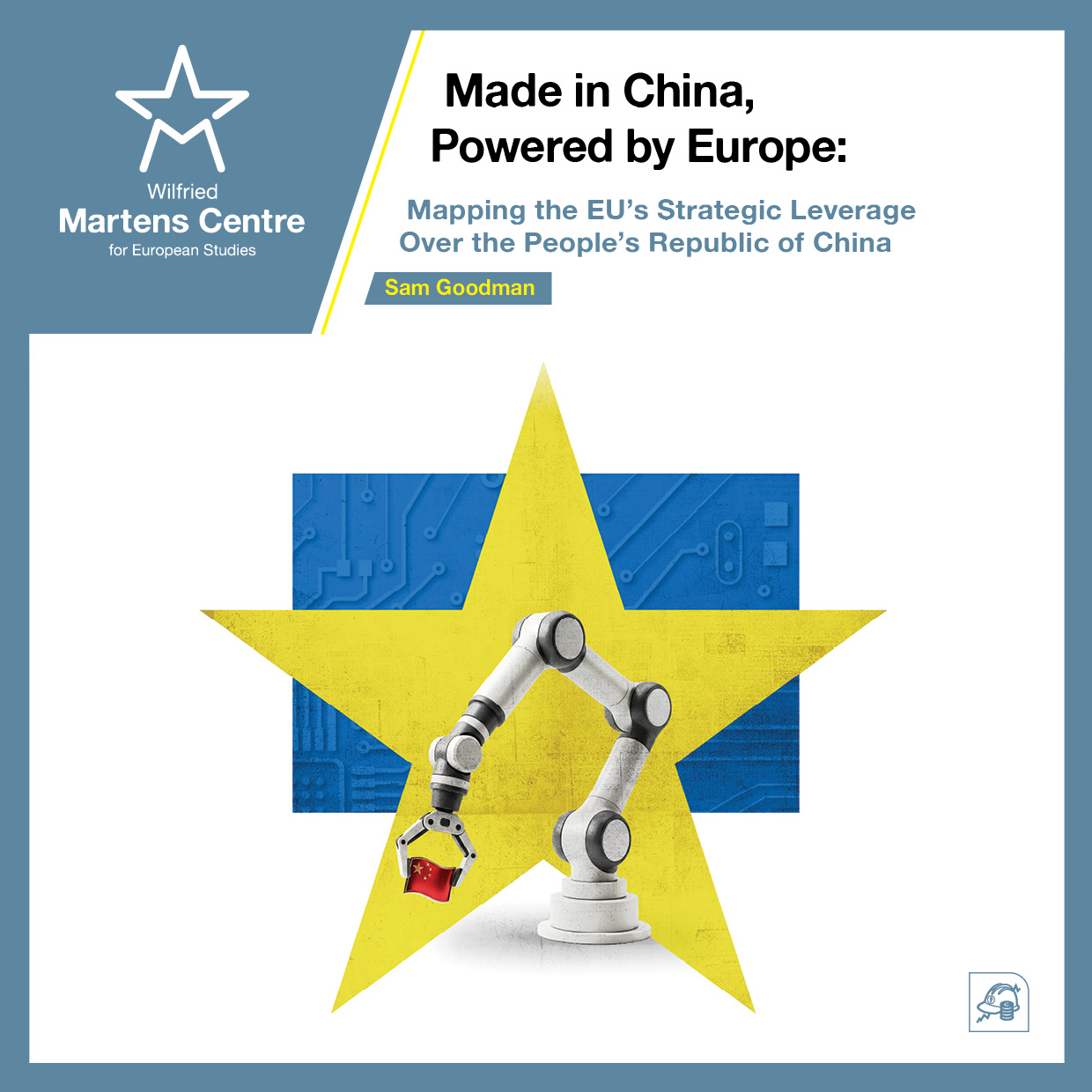
Made in China, Powered by Europe: Mapping the EU’s Strategic Leverage Over the People’s Republic of China
-
Other
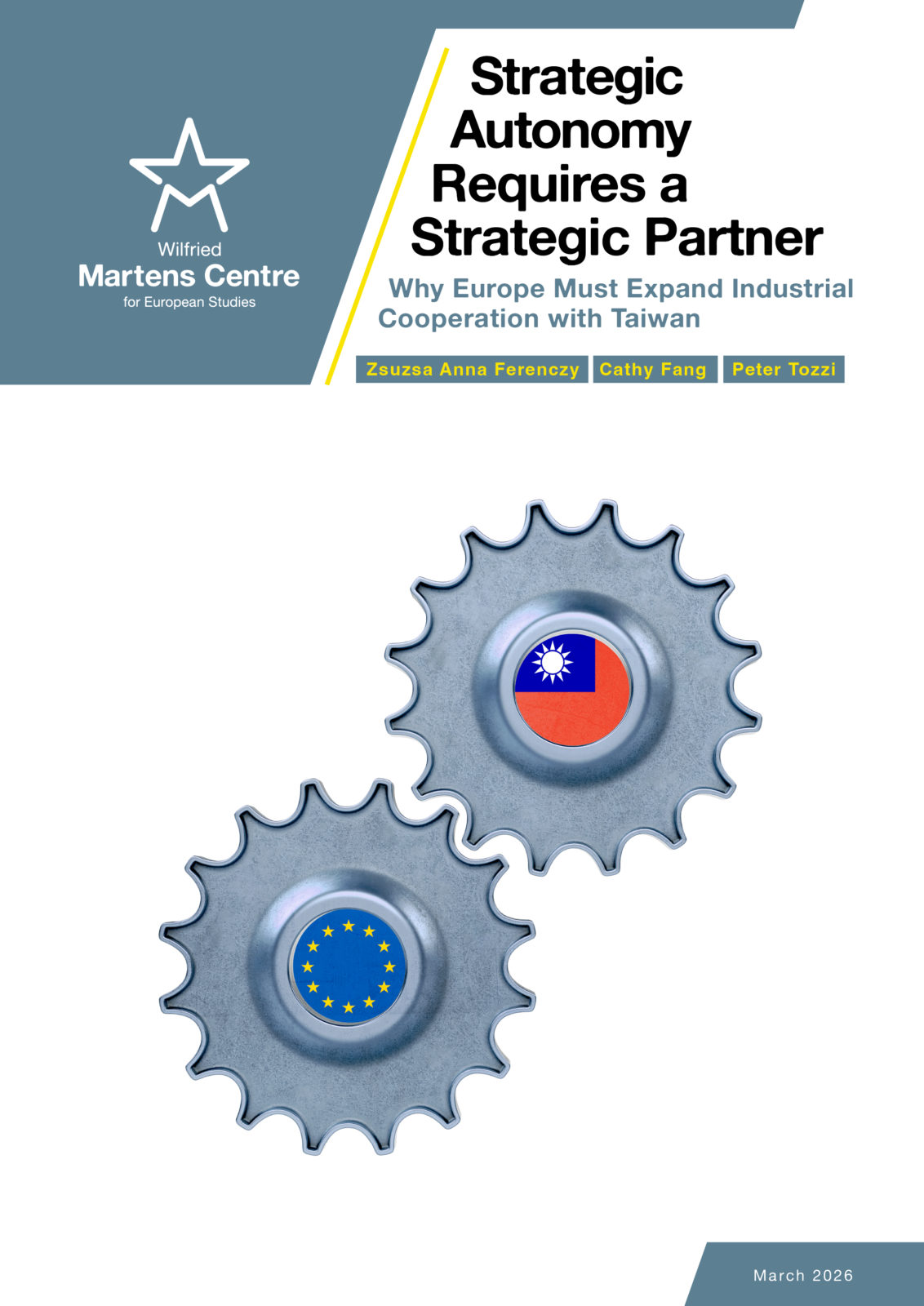
Strategic Autonomy Requires a Strategic Partner: Why Europe Must Expand Industrial Cooperation with Taiwan
-
Other
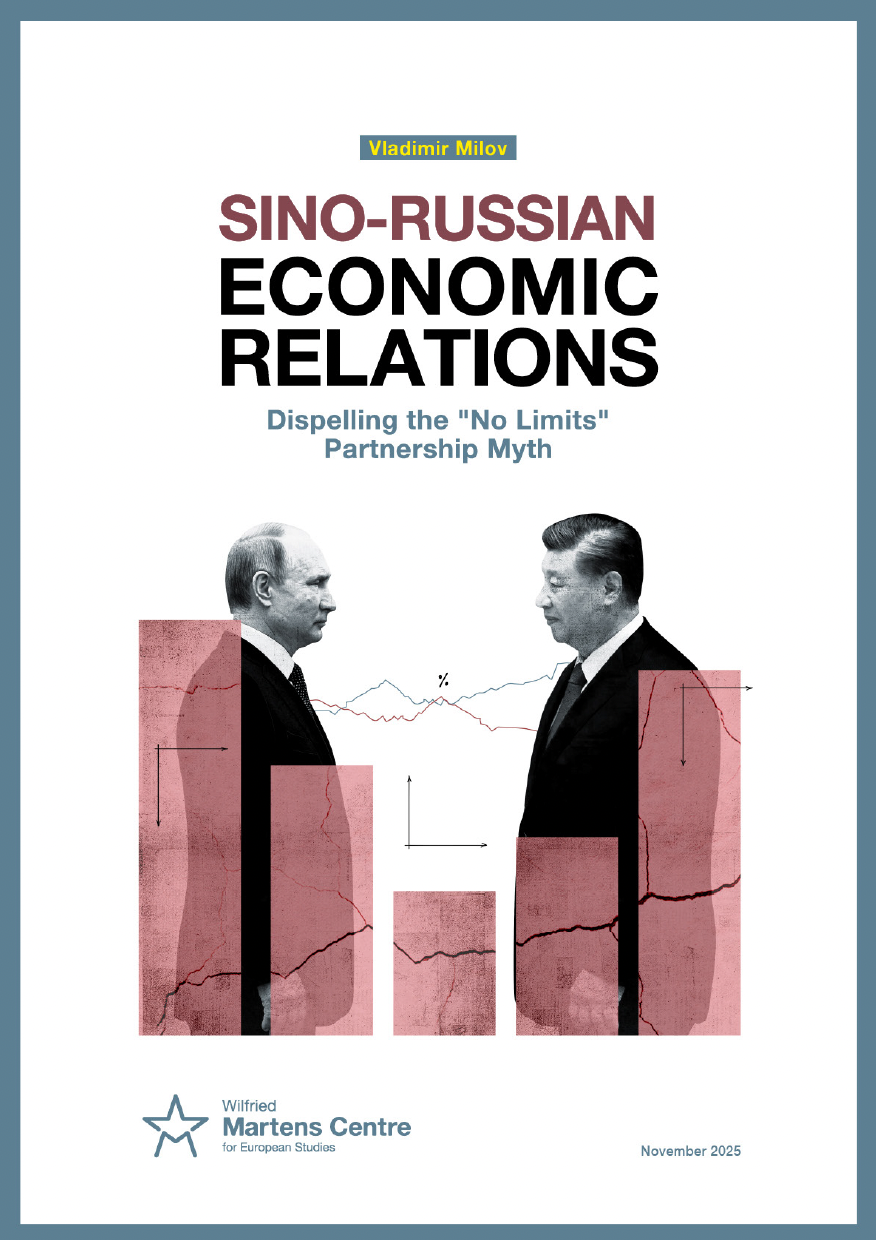
Sino-Russian Economic Relations: Dispelling the “No Limits” Partnership Myth
-
Collaborative
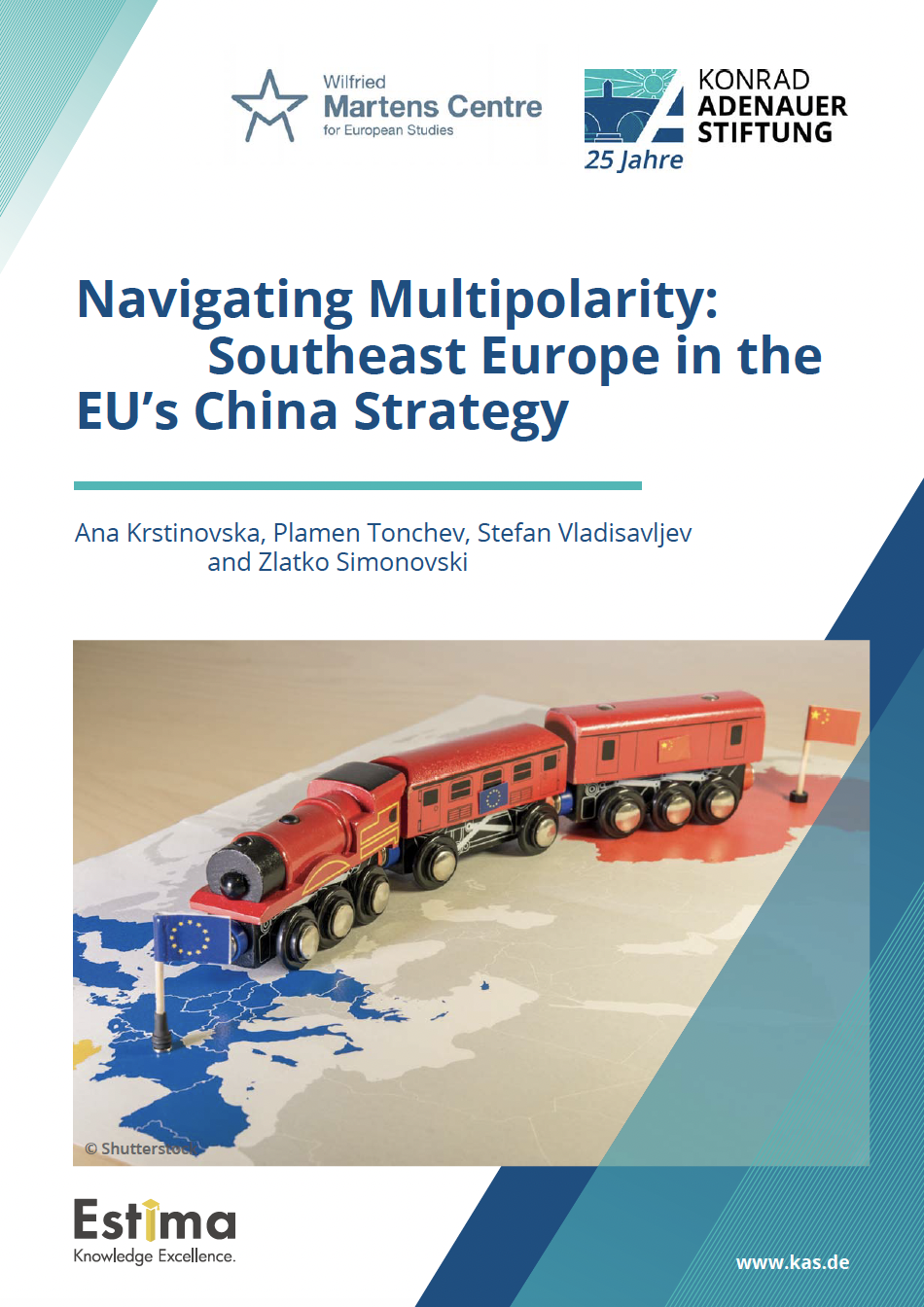
Navigating Multipolarity: Southeast Europe in the EU’s China Strategy