
10 Years Since the Brexit Referendum: Economic Lessons from the UK for Europe
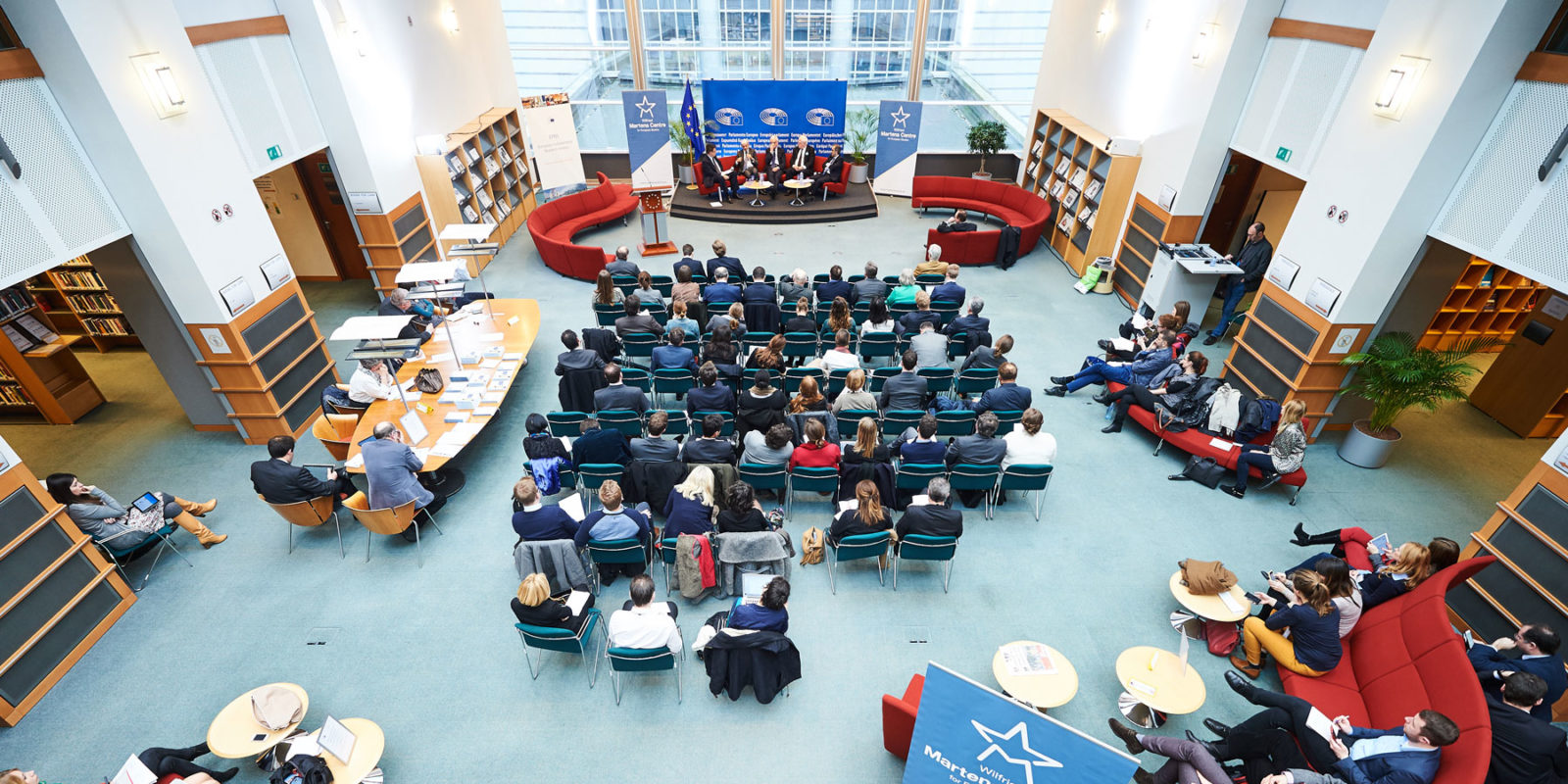
This event will be livestreamed here and on Youtube.
On the 23rd of June 2016 British voters elected to leave the EU. This result was proceeded by a period of political instability in Westminster which resulted in Britain finally leaving the EU in January 2020.
The period since 2016 has been marked by a period of concerted economic weakness in Britain. Relatively low growth, public debt at historically high levels, sluggish productivity and a general sense of public discontent have come to characterise British internal discussions. A recent paper by the National Bureau of Economic Research (NBER) estimated that UK GDP per capita was 6–8% lower than it would have been without Brexit. Investment was 12–18% lower, employment 3–4% lower, and productivity 3–4% lower.
However, Britain remains Europe’s second largest economy, the home to Europe’s most important financial centre. It remains a key investment location and a very important economic partner for most EU member states. Utilising our panel of British experts, this event will consider the lessons for Europe from the UK’s economic experience of the last decade? What are the economic challenges and obstacles that must be overcome? How is this perceived economic weakness continuing to impact upon the political system and traditional centrist political parties?
10 June 2026
The Hotel Brussels, Boulevard de Waterloo 38, 1000 Bruxelles 12:00-13:30