
A Roadmap for the EU’s Engagement with Content Creators
27 October 2026



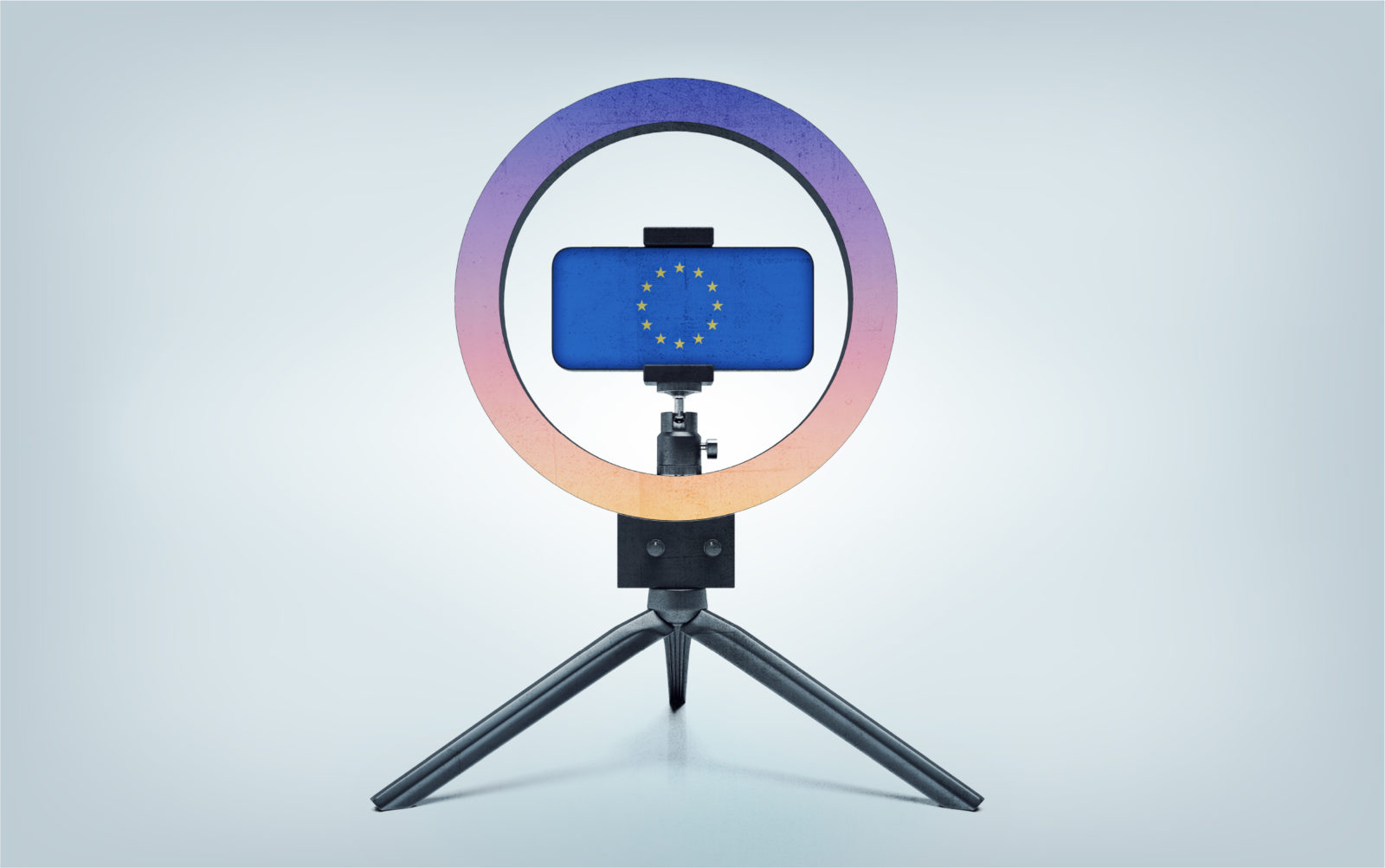
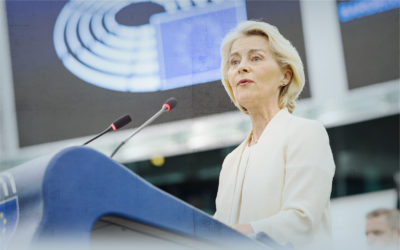
In 2025, content creators were invited to attend Commission President Ursula von der Leyen’s State of the European Union address in Strasbourg for the first time. Their presence alongside traditional journalists reflects a broader shift in how EU institutions are seeking to communicate with European citizens. This new strategy offers new opportunities for reaching audiences that traditional institutional communication struggles to engage, but it also raises questions about journalistic standards, transparency, political neutrality and the boundaries between communication and journalism.
In this context, the current article provides an overview of the EU institutions’ engagement vis-à-vis content creators, outlining key initiatives that form part of the EU’s broader efforts to engage and communicate with as many European citizens as possible through diverse channels and approaches, and offers a perspective on how to ensure this evolution will strengthen, and not degrade the quality of public debate in Europe.
According to the 2026 Reuters Institute Digital News Report, about one-third of people worldwide get news from individual content creators or influencers, while nearly half receive news from creators of any kind. Content creators are generally perceived as “more entertaining, easier to understand, and more relatable than traditional news outlets”. However, most people use them alongside, not instead of, traditional media. Similarly, over a third of respondents, and 74% of younger EU audiences, follow content creators on social media, according to a 2025 Flash Eurobarometer survey. Four in ten do so for current-affairs commentary, underscoring creators’ key role in social media news environments.
In 2024, the Council of the EU adopted conclusions supporting “influencers” as online creators in the EU. With these conclusions, the Council “encouraged member states to engage with influencers and their emerging representative organisations” and “called on both the Commission and member states to develop policies and instruments to foster responsible behaviour on the part of influencers and to support the development of self-regulatory bodies or mechanisms”, among other aspects.
For its part, the Commission launched the DigitalEU Ambassadors project, which brings together content creators and journalists active in the field of digital and technology-related topics. It also offers funding programmes that seek to foster collaboration between young Europeans and content creators to establish a trustworthy social media space.
Following the same approach, the European Parliament has in recent years begun inviting content creators to its activities in Brussels or Strasbourg, in addition to traditional journalists. The Parliament also organises the European Youth Event biennially, bringing together young people from across the EU and beyond to share ideas, debate with MEPs, and exchange views with experts and content creators, among other activities. EU leaders such as Commission President Ursula von der Leyen and European Council President António Costa are also engaging content creators from across the EU more actively.
However, not everyone has welcomed these developments. In response to the question of how Brussels correspondents assess the role of content creators within the news and information ecosystem, only 24% of respondents rated their impact as rather positive, while 76% rated it as rather negative, according to a recent study conducted by the General Secretariat of the Council. In another survey, journalists’ organisations were divided over whether to recognise content creators as part of the information landscape, with concerns about journalistic ethics and potential conflicts with organisational statutes emerging as key reservations.
The media landscape across the EU is evolving. The boundaries between journalism and content creation are increasingly obfuscated contributing to a more fragmented information environment. This shift is driven by the growing use of social media for news consumption, the rise of content creators, and the integration of artificial intelligence into journalism.
The upcoming Digital Fairness Act aims to deal with many issues citizens face online, including unfair practices, addictive design in digital products and misleading influencer marketing. At the national level, member states regulate or seek to regulate commercial influence and address potential abuses by influencers on social media platforms.
Clear safeguards and EU values should guide any legislative initiative or pilot programme on the issue. Content creators should not be treated as media. In particular, those engaging with EU institutions should be scrutinised for commercial partnerships and the nature of their content, specifically whether they publish views that run counter to EU values. This should apply to both content creators and the sources they (re)use to prevent any two- or multi-way manipulation. At the same time, it needs to be clear what their political aspirations are, if any, i.e., whether they are seeking political office or already hold a political role. The EU should keep in mind who benefits, who is in control, and whom the influencers are associated with. This is especially relevant ahead of the 2029 European Parliament and national elections across the EU.
Author’s Note: The views set out in this article are those of the author and do not necessarily reflect the official opinion of the EU. Neither the EU institutions and bodies nor any person acting on their behalf may be held responsible for the use which may be made of the information contained herein.
ENJOYING THIS CONTENT?
Stay up to date by joining our database !