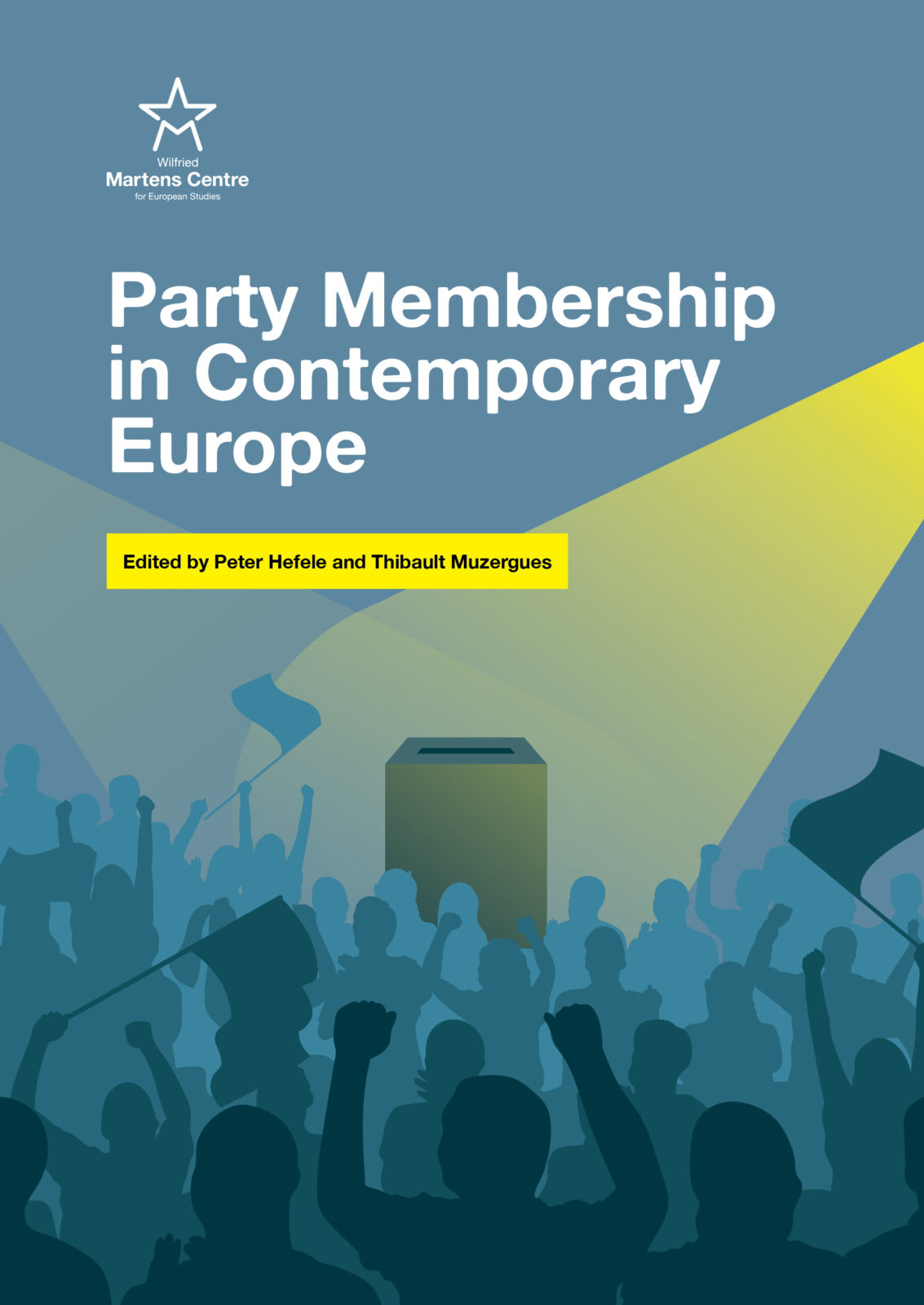


Party Membership in Contemporary Europe
13 February 2026
Party Membership is in.
Across Europe, traditional mass parties are under pressure from digitalisation, personalised leadership and new forms of political engagement. Party membership is often shrinking, always changing and, in some cases, being bypassed altogether. What does this mean for democratic politics?
Party Membership in Contemporary Europe explores how and why citizens still join parties, how parties organise participation in an age of volatility, and whether new membership models can renew democratic life rather than hollow it out. Drawing on comparative research and case studies from across Western, Central and Eastern Europe, the book examines elite-driven parties, clientelist networks, digital supporters, internal democracy and the rise of “memberless” movements. It also explains why traditional parties are right to still focus on party members – while some (new) parties do without them, party members remain indispensable for party democracy – and indeed for the long-term success of any political adventure.
Party membership may be stagnating, perhaps even declining in numbers, but it remains a critical source of political energy, legitimacy and resilience. For anyone concerned with the future of European democracy, the party membership question remains essential.
ENJOYING THIS CONTENT?
Stay up to date by joining our database !